
-20260310075850-20260529224022-20260615224120-20260626224152-20260815224805.webp "Durable 2 Inch Pitch Modular Belt China Factory Leading Conveyor Belt Suppliers")


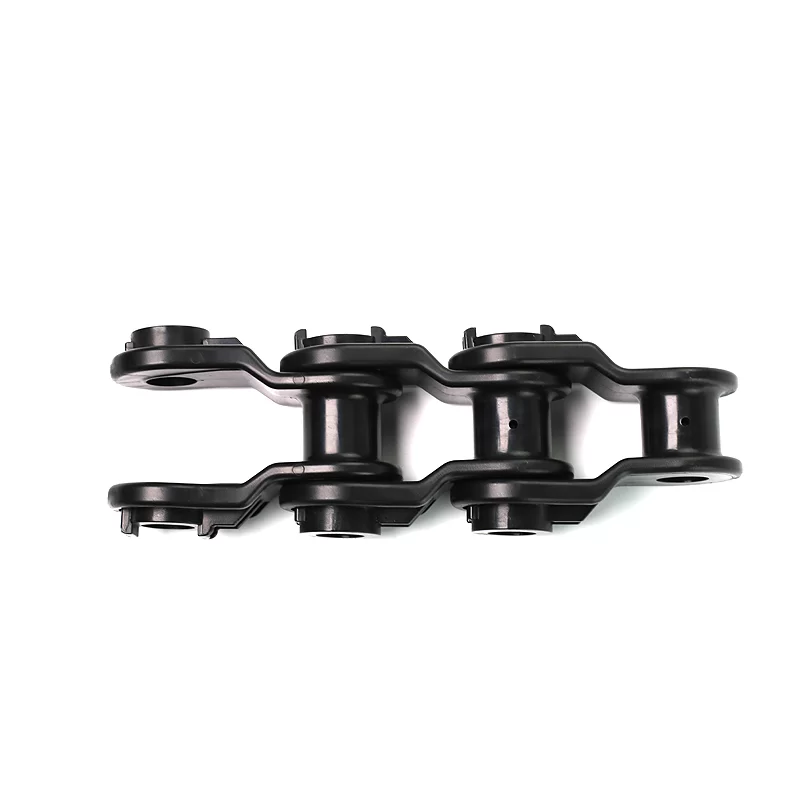
South Korea's manufacturing sector, particularly in electronics and automotive parts, operates under extreme precision and high-throughput requirements. The adoption of the modular belt conveyor plastic variant has surged due to the need for chemical resistance and lightweight structures that can integrate with robotic arms in smart factories.
Geographically, the concentration of industrial clusters in Gyeonggi-do and Ulsan demands equipment that minimizes footprints while maximizing uptime. Local firms are moving away from traditional rubber belts toward a modular belt architecture, which allows for rapid section replacement without dismantling the entire line.
Furthermore, Korea's strict environmental and hygiene regulations, especially in the food processing and semiconductor packaging sectors, make the non-porous nature of plastic modular systems an essential requirement for maintaining E-E-A-T compliant production standards.

-20260310085541-20260525060958-20260612224512.webp "Modular Belt Straight Running Systems | Industrial Conveyor China Factory Suppliers")


