FAQs

  • Q

    What Is A Modular Belt?

    A
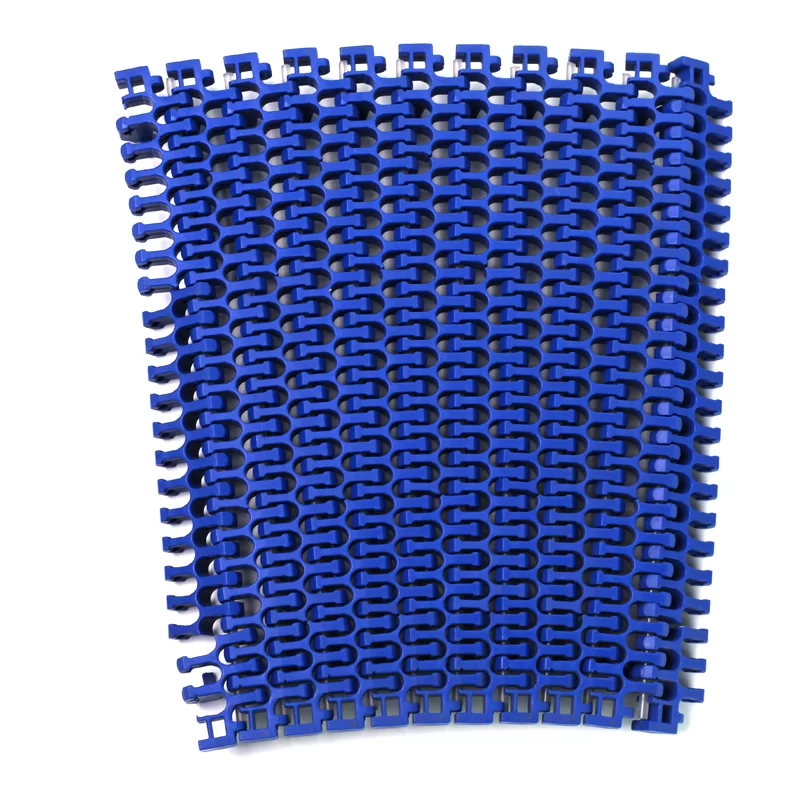
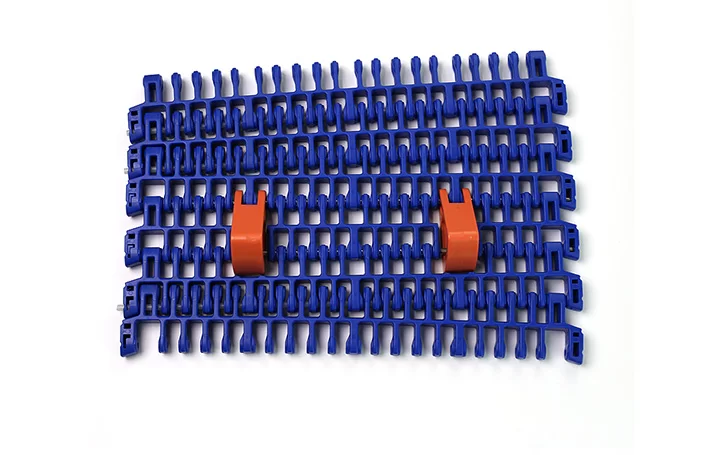
    A modular belt is a type of conveyor belt made of interlocking plastic or polymer modules connected with hinge rods. Unlike traditional belts, modular belts can be customized in width, length, and design to suit various conveyor applications, including food processing, packaging, and automotive industries. They are durable, easy to maintain, and suitable for both straight and curved conveyor systems.
  • Q

    What Materials Are Modular Belts Made Of?

    A
    Modular belts are commonly made from engineering plastics such as polypropylene (PP), polyethylene (PE), or polyoxymethylene (POM). These materials offer excellent wear resistance, corrosion resistance, and chemical stability. Food-grade modular belts are compliant with hygiene standards and are safe for direct contact with food products.
  • Q

    What Industries Use Modular Belts?

    A
    Modular belts are widely used in industries that require efficient and hygienic material handling. Common industries include:
    Food and beverage – bakery, meat, dairy, frozen foods
    Packaging – cartons, bottles, pouches
    Pharmaceuticals – medicine bottles, packaging lines
    Automotive – component assembly lines
    Electronics and light manufacturing – PCB and small components handling
    Logistics – parcel sorting and warehouse automation
  • Q

    What Are The Advantages Of Modular Belts?

    A
    Modular belts offer several key advantages:
    Durability – resistant to wear, impact, and corrosion
    Easy maintenance – damaged modules can be replaced individually
    Hygienic design – food-grade options are easy to clean
    Flexible installation – suitable for straight, curved, and inclined conveyors
    Low noise and energy efficiency – lighter than traditional metal belts
  • Q

    Can Modular Belts Be Used In Curved Or Inclined Conveyors?

    A
    Yes, modular belts are ideal for curved and inclined conveyor systems. Their interlocking design allows smooth operation around bends, while the modular structure can be customized with cleats, flights, or side guards to prevent product slippage on inclines.
  • Q

    How Do I Maintain A Modular Belt For Long Life?

    A
    To maintain a modular belt:
    Regularly clean the belt to remove debris and prevent contamination
    Inspect for damaged or worn modules and replace them promptly
    Ensure proper tension and alignment of sprockets
    Lubrication is generally not required for plastic modular belts, but check manufacturer guidelines
    Avoid overloading the conveyor to prevent premature wear

ADVANTAGE

The Ideal Choice To Replace Metal Chains

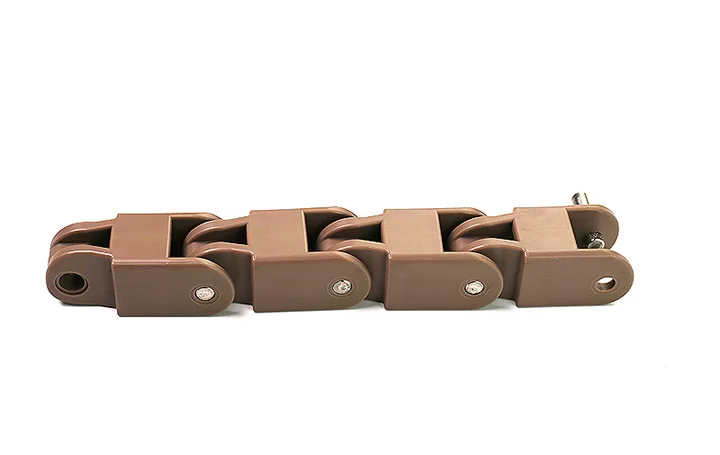
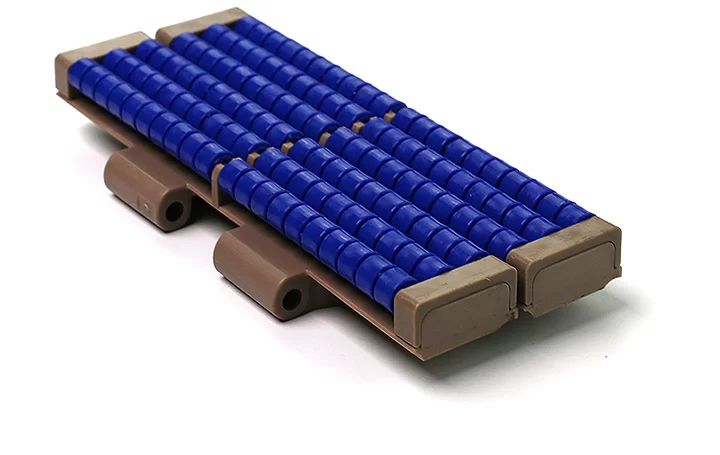
Lightweight yet strong, long-lasting yet stable, the new standard for plastic chains

If you are interested in our products, you can choose to leave your information here, and we will be in touch with you shortly.