• Modular Belt

    Modular Belt

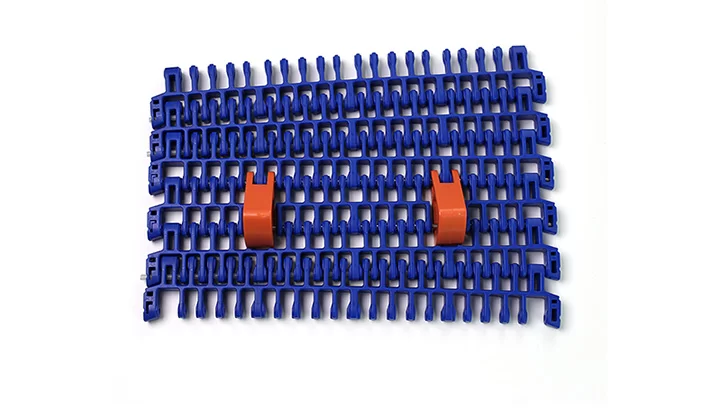
    A modular belt is a type of conveyor belt constructed from a series of interlocking plastic modules that are connected together using hinge rods, forming a continuous and durable conveying surface.
  • Plastic Components

    Plastic Components

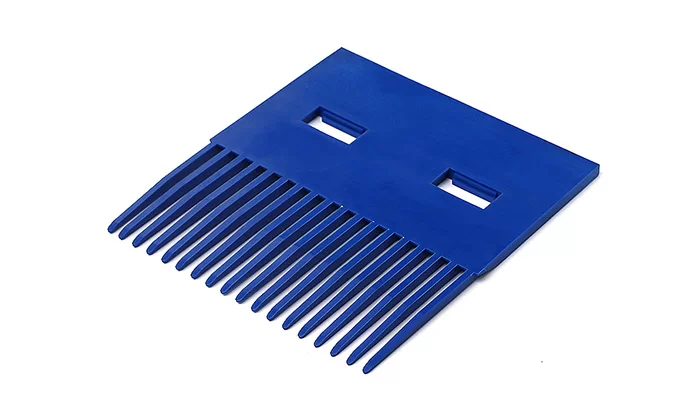
    Plastic Components they offer excellent resistance to corrosion, flexibility in design, and can be customized to meet specific functional and aesthetic requirements.
  • Plastic Conveyor Chain

    Plastic Conveyor Chain

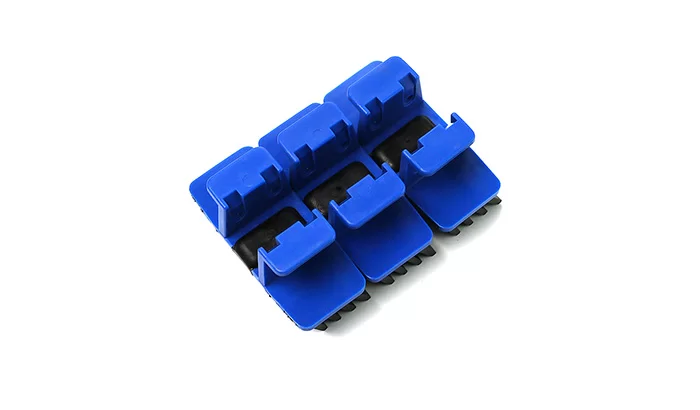
    A plastic conveyor chain is a durable, lightweight conveying solution designed for smooth, low-noise operation and reliable performance in a wide range of industrial and packaging applications.

What are the types of plastic chains?

Plastic chains are versatile components widely used in industrial, commercial, and decorative applications. They are valued for being lightweight, corrosion-resistant, low-maintenance, and cost-effective compared to traditional metal chains. Depending on their design, material, and intended use, plastic chains can be classified into several types.

1. Solid Link Plastic Chains:
These chains consist of solid, closed links made from durable plastics such as polyethylene (PE), polypropylene (PP), or nylon. Solid link chains offer high strength and durability, making them ideal for industrial applications like conveyor systems, material handling, and heavy-duty barrier chains. They are resistant to chemicals, moisture, and UV exposure, which ensures long-term performance in harsh environments.

2. Hollow or Lightweight Plastic Chains:
Hollow plastic chains are designed to reduce weight while still providing functional strength. They are commonly used for decorative purposes, crowd control, or light-duty safety barriers. The hollow design makes them easy to handle, transport, and install without compromising visual appeal or basic functionality.

3. Modular or Interlocking Plastic Chains:
These chains feature links that can be easily connected, detached, or reconfigured to suit different lengths or layouts. Modular chains are popular in applications requiring flexibility, such as temporary fencing, exhibition setups, and adjustable barrier systems. They allow users to customize chain length and shape efficiently.

4. Decorative Plastic Chains:
Made from colorful or transparent plastics, decorative chains prioritize aesthetics alongside functionality. They are widely used in retail displays, event decoration, or as visual markers in public spaces. While not designed for heavy loads, they provide a safe and visually appealing solution for marking off areas or guiding foot traffic.

5. Specialty Plastic Chains:
Some plastic chains are designed for specific industrial environments, such as high-temperature resistant chains, anti-static chains for electronics, or food-grade chains for hygienic applications. These specialized chains ensure compliance with industry standards while maintaining the inherent benefits of plastic materials.

Overall, the types of plastic chains are diverse and adaptable, catering to a broad spectrum of uses. From heavy-duty industrial applications to decorative and safety purposes, plastic chains provide a cost-effective, durable, and flexible solution across multiple industries. Their wide variety ensures that there is a suitable plastic chain type for virtually any requirement.

  • Low Back modular Chains

    50

    Sold to 50 countries worldwide
  • heavy duty modular chain

    25

    With 25+ years of experience
  • 3000

    Factory 3000+ Square meters

    8

    8 technological innovation
 flush grid modular belt

What is the difference between a modular conveyor and a belt conveyor?

A modular conveyor and a belt conveyor are both material handling systems used to transport goods, but they differ in structure, performance, and maintenance. A belt conveyor uses a continuous loop of flexible material such as rubber, PVC, or fabric that moves over rollers or a flat bed, creating a smooth and uninterrupted surface ideal for conveying lightweight, small, or bulk items over long distances with quiet and efficient operation. However, because the belt is a single piece, any damage often requires repairing or replacing a large section, and it may not perform well in harsh environments involving sharp objects, heavy loads, or high moisture. In contrast, a modular conveyor is made of interlocking plastic modules connected by rods, forming a strong and segmented belt that is more durable and resistant to wear, corrosion, and impact. Its modular design allows for easy replacement of individual damaged sections, reducing maintenance costs and downtime. It is also more flexible in system design, supporting curves, inclines, and complex layouts, making it suitable for industries such as food processing, packaging, and manufacturing. While belt conveyors offer a smoother surface and simpler structure, modular conveyors provide greater durability, adaptability, and ease of maintenance, making each type suitable for different operational needs and environments.

Lightweight Design, Anti-Corrosion And Durable, Low Noise And Quietness

Different sizes, colors, and load-bearing capacity can be customized according to usage needs, and can be flexibly applied in scenarios such as transportation, decoration, isolation, or safety protection.

If you are interested in our products, you can choose to leave your information here, and we will be in touch with you shortly.