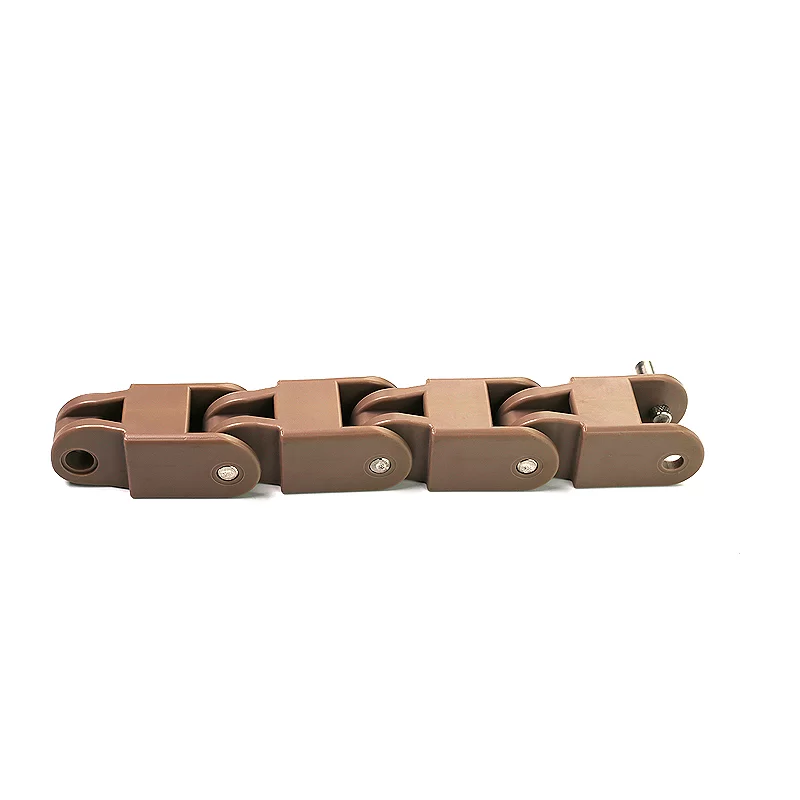
Modular Belt Conveyor Plastic Modular Belt Conveyor Belt

Advanced modular belt conveyor Solutions for Sri Lanka's Manufacturing Sector

Optimizing material handling efficiency across Sri Lanka's industrial zones with high-durability, precision-engineered continuous transport systems.

Advanced modular belt conveyor Solutions for Sri Lanka's Manufacturing Sector

Providing high-performance conveyor systems designed to withstand the unique environmental and operational demands of Sri Lankan factories, ensuring seamless material flow and reduced downtime.

Current State of Material Handling in Sri Lanka

Analyzing the intersection of tropical climates and industrialization in the Pearl of the Indian Ocean.

In Sri Lanka, the manufacturing landscape is heavily characterized by tea processing, garment exports, and rubber production. These sectors face significant challenges due to high humidity and saline air, particularly in coastal industrial zones. Traditional belts often degrade rapidly, leading to a growing demand for the modular belt conveyor plastic variant, which offers superior resistance to corrosion and moisture.

Many local enterprises are currently transitioning from manual labor to semi-automated systems. The adoption of a modular belt system allows these factories to scale their production without replacing entire lines, providing the flexibility needed for the volatile economic environment of the region.

Despite the progress, there is a visible gap in the availability of high-spec, low-maintenance components. The industry is shifting towards solutions that minimize lubrication and water usage, aligning with the growing emphasis on sustainable manufacturing within the South Asian market.

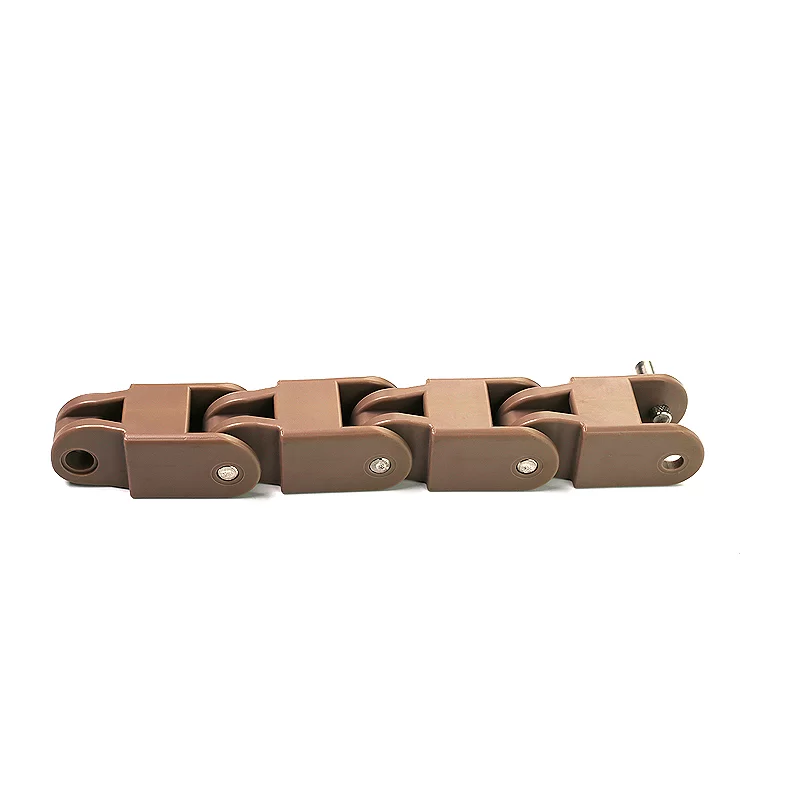
Evolution and Trajectory of Conveyor Technology

From rudimentary rubber belts to intelligent modular ecosystems.

Market Development History

Prior to 2010, the Sri Lankan market relied heavily on fabric-based rubber belts. These systems were prone to stretching and required frequent tensioning, causing significant operational delays in tea and spice packaging plants.

Between 2011 and 2018, the introduction of basic modular conveyor belt technology began to penetrate the apparel sector. The ability to replace single damaged modules rather than the whole belt revolutionized maintenance cycles for local garment exporters.

From 2019 to the present, the focus has shifted toward specialized materials. The integration of food-grade plastics and antimicrobial surfaces has become standard for the seafood and dairy exports targeting European and Middle Eastern markets.

Future Development Trends

Integration of IoT Sensors

We predict a surge in "Smart Belts" featuring embedded sensors to monitor wear and tear in real-time, reducing unplanned downtime in Sri Lanka's free trade zones.

Energy-Efficient Drive Systems

Due to fluctuating energy costs, the move toward high-efficiency motors and low-friction modular belt conveyor designs is accelerating to lower the total cost of ownership.

Sustainable Bio-Plastics

Driven by global ESG standards, there is an emerging trend toward biodegradable or recycled plastic modules to reduce the environmental footprint of the packaging industry.

Future Outlook of Continuous Handling Systems

Strategic forecasting for the next 3-5 years of industrial automation.

Climate-Resilient Materials
Developing UV-resistant and anti-corrosive polymers specifically for the high-salinity environments of Sri Lankan ports.
Modular Customization
Shift towards rapid-deployment kits that allow factories to reconfigure lines in hours to meet changing export orders.
Hyper-Automation
Integration with robotic sorting arms, which are increasingly appearing in Colombo's logistics hubs.
Zero-Waste Maintenance
Moving toward a circular economy where old plastic modules are recycled into new conveyor components.

Industry Outlook

Google search trends indicate a rising interest in "automated conveyor systems" and "durable plastic belts" within the South Asian region. This reflects a systemic move away from legacy machinery toward modularity.

For Sri Lankan manufacturers, the transition to a modular belt conveyor will be the deciding factor in maintaining competitiveness in the global apparel and food export markets.

Localized Application Scenarios in Sri Lanka

Real-world deployment of modular transport systems across various Sri Lankan industries.

01. Ceylon Tea Processing Plants

Utilizing high-grip modular belts to transport wet tea leaves through the oxidation and drying phases, resisting the acidic nature of tea juices.

02. Apparel Manufacturing Hubs

Implementing lightweight modular belt conveyor systems to move garment bundles between cutting and sewing stations in Colombo factories.

03. Seafood Export Facilities

Deploying food-grade modular belt conveyor plastic solutions that allow for high-pressure wash-downs to meet international HACCP standards.

04. Rubber Product Fabrication

Using heavy-duty modular belts to transport vulcanized rubber components, where resistance to heat and chemical residues is critical.

05. Logistics and Warehousing

Installing wide-span modular conveyor belt systems in distribution centers to optimize the sorting of parcels for domestic delivery.

Brand Story

Global Development Journey of Ningbo Rellwin Conveyor Machinery Accessories Co., Ltd.

Foundational Engineering

Established with a vision to eliminate the inefficiency of traditional conveyor belts through precision modular engineering.

Material Innovation

Developing proprietary plastic compounds that offer 30% higher wear resistance than standard industry benchmarks.

Global Market Expansion

Expanding our footprint across Asia, providing localized technical support for the challenging environments of South Asia.

Quality Standardization

Achieving international certifications to ensure every module meets the strictest safety and hygiene regulations worldwide.

Future-Proofing Industry

Committed to solving the pain points of downtime and maintenance for the global continuous handling equipment industry.

Common Questions Regarding Modular Systems in Sri Lanka

Expert answers to help you choose the right conveyor technology for your facility.

Why is a modular belt conveyor plastic better for Sri Lankan humidity?

Unlike steel or fabric belts, plastic modular systems are non-corrosive and do not absorb moisture, preventing rust and mildew in tropical climates.

How does a modular belt reduce downtime in garment factories?

If a section is damaged, only the affected module needs replacement, meaning the entire line doesn't need to be dismantled.

Are modular conveyor belt systems food-safe for tea exports?

Yes, we provide FDA-approved, food-grade plastics that are easy to sanitize and prevent cross-contamination during tea processing.

Can a modular belt handle heavy rubber components?

Absolutely. We offer reinforced polymers designed for high-tensile strength to handle heavy industrial loads without stretching.

What is the typical lifespan of a modular belt in a tropical environment?

Depending on the material grade, our belts can last 3-5 times longer than traditional rubber belts in high-humidity areas.

How do I choose the right module size for my conveyor?

Selection depends on product weight, conveyor width, and required speed. Our engineers provide customized layout analysis for your specific needs.

Ready to Optimize Your Production Line?

Our experts are ready to deliver the most durable and efficient conveyor solutions tailored for the industrial landscape of Sri Lanka.

Contact Us Now

If you are interested in our products, you can choose to leave your information here, and we will be in touch with you shortly.