
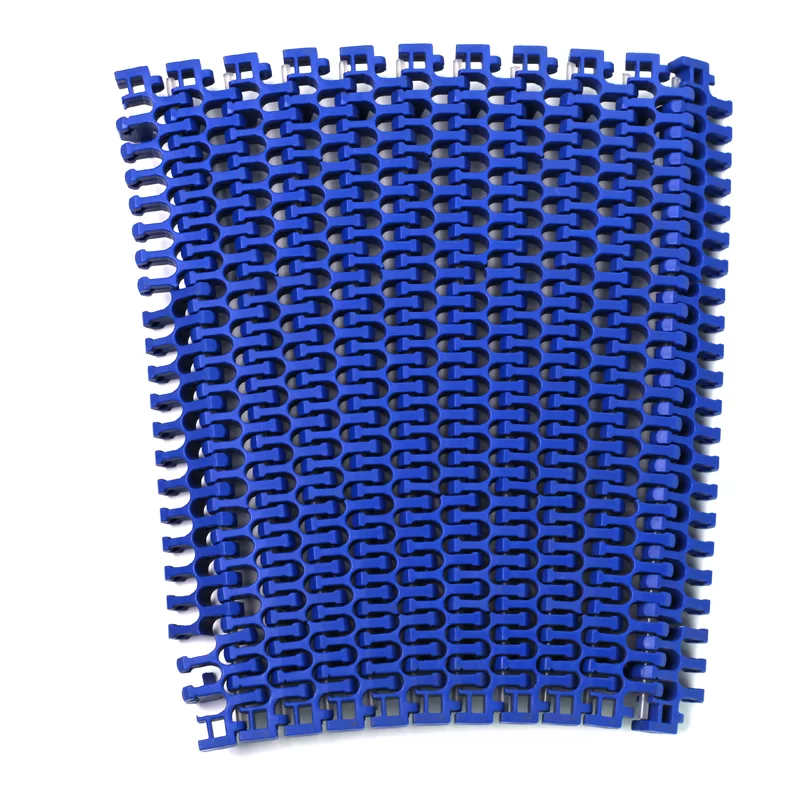
Modular Belt Conveyor Plastic Modular Conveyor Belt Modular Belt

High-Efficiency modular conveyor belt Solutions for New Zealand Industry

Optimizing material handling across New Zealand's unique production landscapes with advanced modular engineering.

High-Efficiency modular conveyor belt Solutions for New Zealand Industry

Providing durable, food-grade, and industrial-strength conveyor systems tailored for the specific operational demands of the New Zealand manufacturing sector.

Current State of Material Handling in New Zealand

Analyzing the integration of modular belt conveyor technology in Oceania's unique economy.

New Zealand's manufacturing landscape is characterized by a strong emphasis on primary industry processing, particularly in dairy, meat, and horticulture. In these sectors, the humid coastal climates and strict hygiene standards necessitate the use of high-performance modular belt conveyor plastic components that resist corrosion and are easy to sanitize.

Currently, many local facilities are transitioning from traditional fabric belts to modular systems to reduce downtime. The geographic isolation of New Zealand means that reliability is paramount; a system failure in a remote processing plant can be catastrophic, making the rapid replacement capability of a modular belt an essential operational advantage.

The market is seeing a surge in demand for customized solutions that can handle the varied terrain and facility layouts common in Kiwi agribusiness. This shift is driving the adoption of flexible modular systems that can navigate tight spaces while maintaining high throughput and adherence to international safety standards.

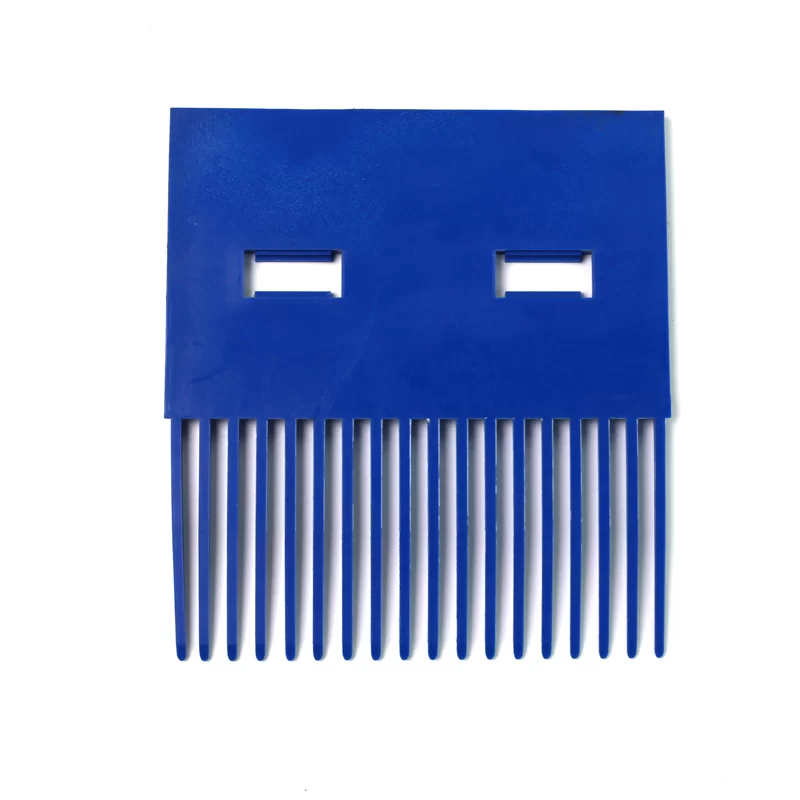
Evolution and Trajectory of Conveyance Systems

From rigid chains to the versatility of the modern modular belt conveyor.

Market Development History

In the late 20th century, New Zealand relied heavily on stainless steel chain conveyors and rubber belts. While robust, these systems were difficult to maintain and often suffered from alignment issues, leading to significant waste in high-value food production lines.

By the early 2010s, the introduction of advanced polymers led to the widespread adoption of the modular belt conveyor plastic. This era marked a shift toward "interlocking" technology, allowing plants to replace damaged sections without replacing the entire belt, drastically lowering maintenance costs.

Entering the 2020s, the focus evolved toward "Smart Conveyance." Integration with IoT sensors and variable frequency drives has allowed New Zealand manufacturers to synchronize their modular belt speeds with real-time production data, optimizing energy consumption across the supply chain.

Future Development Trends

Biodegradable Polymer Integration

With New Zealand's strong commitment to sustainability, we predict a shift toward eco-friendly, recyclable plastics in conveyor belts to reduce the industrial carbon footprint.

AI-Driven Predictive Maintenance

Integration of AI will allow belts to signal wear and tear before a break occurs, utilizing vibration sensors embedded within the modular framework.

Hyper-Customized Geometry

Additive manufacturing will enable the creation of custom modular links tailored to the specific shape of New Zealand's unique export products, reducing product damage during transit.

Industry Outlook and Future Prospects

Strategic directions for modular belt conveyor technology in Oceania.

Automation Synergy
Merging modular systems with robotic sorting to increase New Zealand's export throughput.
Hygienic Compliance
Advancing antimicrobial materials to meet strict MPI (Ministry for Primary Industries) standards.
Energy Optimization
Reducing friction coefficients in modular links to lower overall electricity consumption.
Modular Scalability
Rapidly expandable conveyor layouts to accommodate seasonal peaks in fruit harvesting.

Industry Outlook

Based on Google Search trends for "industrial automation New Zealand," there is a clear trajectory toward decentralized, smaller-scale processing units. This means the future of modular belt conveyor systems will be focused on compact, highly efficient designs that can be deployed in diverse environments.

Furthermore, the integration of "Circular Economy" principles is no longer optional. We anticipate that by 2028, most New Zealand conveyor operators will require certified "cradle-to-cradle" modular plastic components to satisfy environmental regulations and consumer expectations.

Localized Application Scenarios in New Zealand

Real-world deployment of modular belt conveyor plastic across key NZ industries.

01. Dairy Processing Plants (Waikato Region)

Utilizing high-temperature resistant modular belts for milk powder transportation and cheese curing lines, ensuring total compliance with food safety audits.

02. Kiwifruit Packing Houses (Bay of Plenty)

Implementing gentle-grip modular belt systems to prevent bruising during high-speed sorting and packing for export.

03. Meat Export Facilities (Canterbury)

Using heavy-duty, antimicrobial plastic conveyors that withstand rigorous caustic cleaning cycles and extreme temperature fluctuations in freezing plants.

04. Wine Production Lines (Marlborough)

Integrating curved modular conveyor paths for efficient bottle movement in compact winery layouts, maximizing spatial efficiency.

05. Logistics Hubs (Auckland)

Deploying high-friction modular belts for rapid parcel sorting, reducing slip and increasing the speed of e-commerce fulfillment centers.

Brand Story

Global Development History of Ningbo Rellwin Conveyor Machinery Accessories Co., Ltd.

Founding Vision

Established with a mission to solve the chronic issue of belt misalignment and high maintenance in continuous conveying systems.

Technical Breakthrough

Developed a proprietary interlocking mechanism for plastic modules that increased tensile strength by 30% compared to industry averages.

Global Expansion

Expanded operations to the Oceania region, tailoring conveyor specifications to meet the rigorous agricultural standards of New Zealand.

Sustainability Pivot

Launched a range of recyclable polymer belts to help global clients achieve their zero-waste manufacturing goals.

Industry Leadership

Recognized as a premier provider of modular conveyor solutions, bridging the gap between heavy industrial durability and precision engineering.

Common Questions in New Zealand

Expert answers regarding modular belt implementation and maintenance.

How does a modular belt conveyor compare to a traditional belt in food processing?

Modular belts offer superior hygiene due to their open-grid designs and ease of cleaning, making them ideal for New Zealand's strict food safety regulations compared to porous fabric belts.

Can a modular belt conveyor plastic system handle extreme cold in freezing plants?

Yes, our specialized polymers are engineered to maintain flexibility and impact resistance even in sub-zero temperatures common in meat processing facilities.

What is the lead time for modular conveyor belt replacement parts in NZ?

By utilizing our standardized modular links, replacements can be performed in minutes, and we maintain strategic stock to ensure rapid delivery across the North and South Islands.

Are these modular systems compatible with existing conveyor frames?

Most of our modular belts are designed for universal fitment, but we provide detailed technical audits to ensure seamless integration with your current infrastructure.

How do I choose the right material for my modular belt conveyor?

Choice depends on the application: Polypropylene (PP) for chemical resistance, Polyethylene (PE) for low temperatures, and Acetal for high-wear industrial environments.

What maintenance is required for a modular belt system?

Maintenance is minimal, primarily involving regular inspections of the sprocket wear and ensuring the belt tension is correctly calibrated to prevent tracking issues.

Ready to Optimize Your Production?

Contact our engineering team today for a customized modular conveyance audit in New Zealand.

Contact Us Now

If you are interested in our products, you can choose to leave your information here, and we will be in touch with you shortly.