Hit enter to search or ESC to close
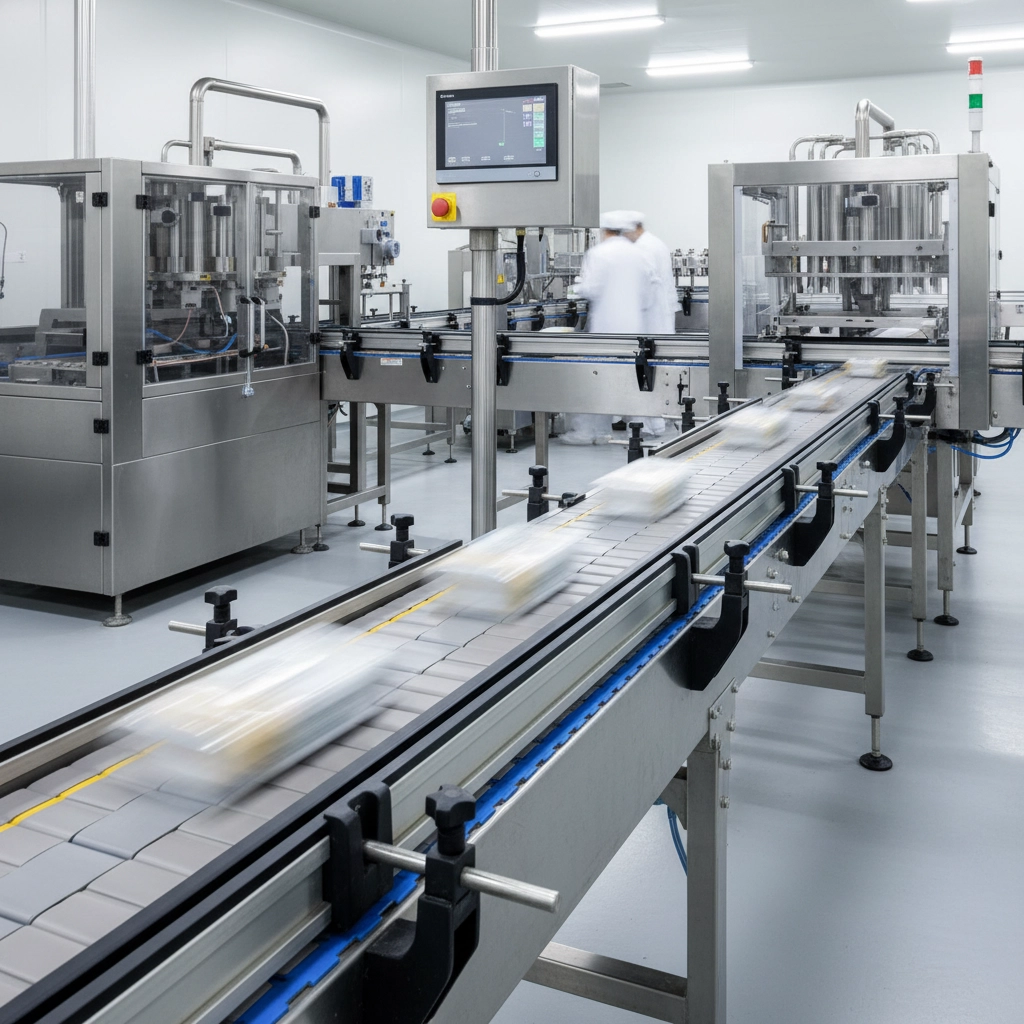
When managing high-volume production lines, the stability of product movement is often the deciding factor between operational efficiency and costly downtime. The 0.75-inch pitch modular belt represents a critical engineering solution for industries requiring a balance between heavy-duty load capacity and precise alignment. Unlike traditional monolithic belts, this modular system utilizes precision-molded links that snap together, creating a durable conveying surface that resists stretching and slipping.
For procurement managers in the food, pharmaceutical, and electronics sectors, selecting a high-quality china plastic chain conveyor belt means investing in a system that reduces mechanical wear and simplifies hygiene maintenance. By utilizing industrial-grade plastics like POM or PP, these belts ensure that medium-sized or irregularly shaped items move smoothly through assembly and packaging stages without tipping or misalignment, directly optimizing the overall throughput of the facility.

The performance of a modular conveyor system is fundamentally rooted in its material science. The 0.75-inch pitch belt is engineered from premium industrial plastics, typically Polypropylene (PP), Polyethylene (PE), or Acetal (POM). These materials are specifically chosen to handle the rigors of continuous industrial operation, offering a combination of high tensile strength and low friction coefficients. This ensures that the belt maintains its structural integrity even when subjected to heavy loads or rapid acceleration cycles.
One of the primary advantages of using these polymer-based materials is their inherent resistance to environmental stressors. In many manufacturing environments, belts are exposed to corrosive chemicals, moisture, and extreme temperature fluctuations. Plastic modular links do not rust and are highly resistant to acids and alkalis, making them superior to metal chains in humid or chemically active settings. This chemical stability is essential for maintaining a sterile environment, particularly in pharmaceutical and food processing plants where washdown procedures are frequent.

In the context of a china plastic chain conveyor belt, the "pitch" refers to the distance between the centers of two adjacent pins. A 0.75-inch pitch is specifically optimized for conveying medium-sized products. This slightly larger spacing provides a more secure footing for items that might be irregularly shaped or prone to tipping on narrower pitches. The precision-molded modules ensure that the pitch remains consistent across the entire length, eliminating the "wandering" effect common in fabric belts.
Furthermore, the modular architecture allows for an open structure. This design is not only beneficial for drainage and air circulation—which is critical for cooling baked goods or drying pharmaceutical vials—but also for ease of integration. These belts can be configured for straight runs, curves, or inclines without losing tracking accuracy. The ability to adapt to complex conveyor layouts without requiring specialized tensioning tools significantly reduces the initial engineering overhead when designing a new production line.
Low-noise operation is another significant byproduct of this design. The friction between plastic modules is substantially lower than that of metal-on-metal chains, creating a quieter workplace environment. This reduction in acoustic pollution is increasingly important for facilities adhering to strict occupational health and safety standards regarding noise exposure.
The versatility of the 0.75-inch modular system makes it a staple across diverse industrial landscapes. In packaging lines, it is frequently used to move cartons and containers where reliable spacing is required to prevent collisions. The stability offered by the pitch ensures that containers remain upright even during high-speed transitions or when navigating tight curves in the distribution center.
In the food and beverage industry, the FDA-compliant materials and open-link design are paramount. The belt's resistance to repeated washdowns with sanitizing agents ensures that hygiene standards are met without compromising the belt's lifespan. Whether transporting packaged snacks or bottled beverages, the modular belt provides a hygienic surface that minimizes the risk of bacterial accumulation.
For electronics and assembly lines, precision is the priority. Delicate components require a smooth, vibration-free transport mechanism to avoid damage during testing or assembly. The precision-molded nature of these belts ensures that parts move with consistent timing, allowing automated sensors and robotic arms to interact with the product at exact intervals, thereby increasing the overall efficiency of the assembly process.
| Evaluation Factor | POM (Acetal) | PP (Polypropylene) | PE (Polyethylene) | Application Suitability |
|---|---|---|---|---|
| Load Capacity | High | Medium | Medium | Heavy-duty Industrial |
| Chemical Resistance | Medium | High | High | Chemical/Washdown |
| Friction Level | Very Low | Low | Low | High-speed Assembly |
| Hygiene Level | High | Very High | Very High | Food & Pharma |
| Maintenance Need | Low | Low | Low | Continuous Operation |
One of the most compelling commercial arguments for adopting a modular plastic system is the drastic reduction in maintenance costs. Traditional belts often require a complete replacement if a single section is damaged. In contrast, the modular design allows for "surgical" repairs. Individual modules can be snapped out and replaced within minutes without the need to disassemble the entire conveyor framework or remove the belt from the sprockets.
This capability is vital for 24/7 operations where every minute of downtime translates to significant revenue loss. By maintaining a small inventory of spare modules, facility managers can ensure that a localized failure does not shut down the entire production line. Additionally, the lack of lubrication requirements—unlike metal chains—eliminates the risk of product contamination and reduces the labor hours spent on routine maintenance.
Integration is further simplified by the compatibility of these belts with standard sprockets and drive systems. The snap-together assembly means that belt lengths can be adjusted on-site to fit specific conveyor dimensions, providing a level of flexibility that is unattainable with pre-vulcanized belts. This makes the system an ideal choice for companies that frequently reconfigure their production layouts to accommodate new product lines.
When sourcing a modular conveying solution, buyers must look beyond the initial price point and evaluate the total cost of ownership (TCO). A high-quality plastic chain system is defined by its dimensional stability and wear resistance. Inconsistent molding in lower-grade belts can lead to tracking issues and premature wear on the sprockets, which eventually increases the risk of belt failure and unplanned downtime.
Working with a professional manufacturer like Rellwin Industry Co., Ltd ensures that the products are built to withstand industrial stresses. With a history of serving both domestic and foreign markets since 1999, the focus remains on providing a full range of reliable products that combine lightweight design with high corrosion resistance. The ability to customize colors, sizes, and load-bearing capacities allows the system to be tailored to the specific needs of the application, whether it is for industrial transport or safety isolation.
Ultimately, the transition to modular plastic belts is a move toward operational sustainability. By reducing energy consumption through lower friction and minimizing waste through extended component life, manufacturers can improve their bottom line while enhancing the reliability of their material handling infrastructure.
The 0.75-inch pitch provides enhanced stability for medium-sized or irregularly shaped products. It offers a more secure conveying surface that reduces the risk of products tipping or slipping, which is especially beneficial on curved or inclined conveyor paths.
Polypropylene (PP) and Polyethylene (PE) are generally preferred for food and beverage industries due to their excellent chemical resistance and FDA compliance. They can withstand frequent washdowns and exposure to sanitizing agents without degrading.
Yes, modular belts are highly effective on inclines. The interlocking design and consistent pitch prevent the belt from slipping, and the materials can be selected to provide the necessary grip for the specific product being transported.
Maintenance is significantly easier and more cost-effective. Instead of replacing the entire belt, you can replace individual damaged modules. This minimizes downtime and removes the need for specialized vulcanizing equipment.
Yes, especially those made from Acetal (POM), which has a very low friction coefficient. This allows for smooth, high-speed operation with minimal wear on the drive system and reduced noise levels.
No, one of the primary benefits of plastic modular belts is that they are lubricant-free. This eliminates the risk of product contamination and reduces the ongoing maintenance labor required for the conveyor system.
Choosing the right conveying system is a strategic decision that affects the entire production chain. The 0.75-inch pitch modular belt offers a dependable, low-maintenance, and hygienic solution for modern industrial needs, ensuring that your material handling is as efficient as your production process.