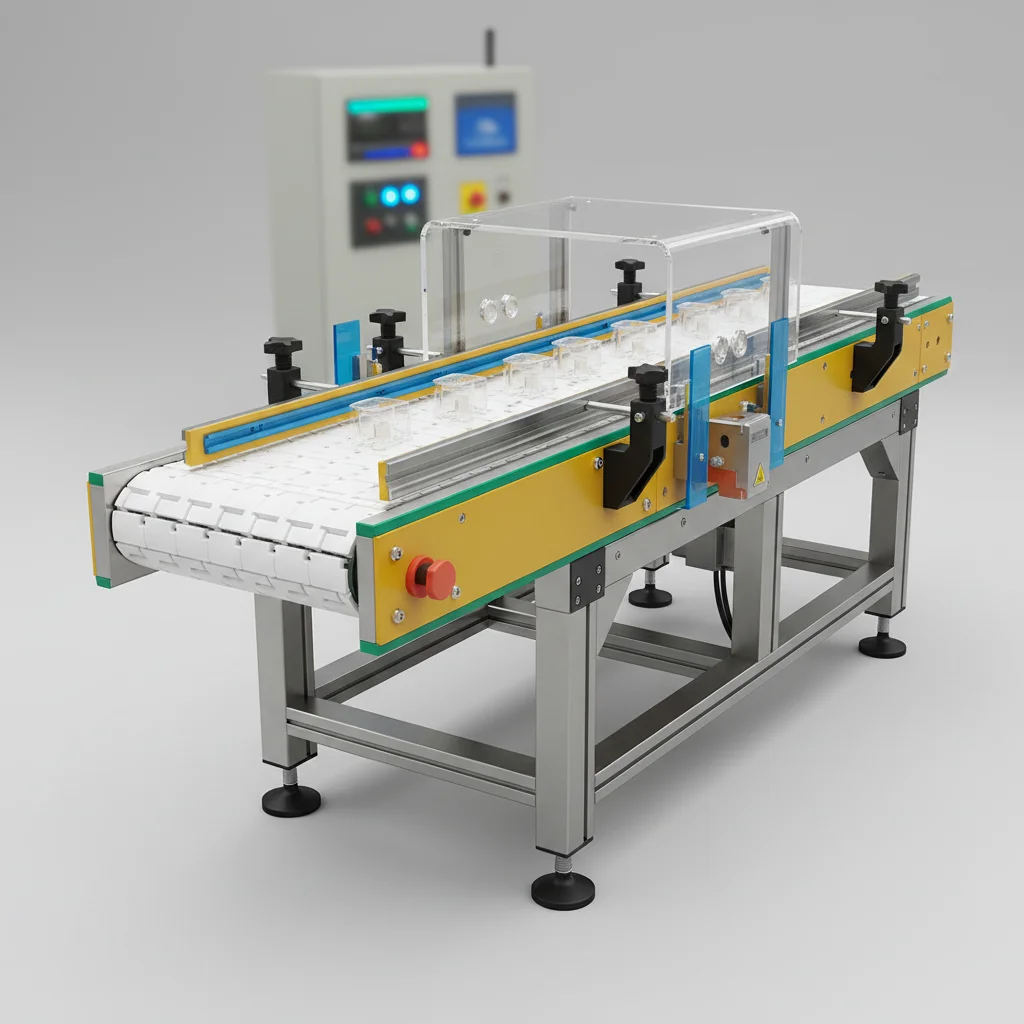
In the modern landscape of industrial automation, the modular belt chain has emerged as a cornerstone for efficient material handling. By integrating the strengths of traditional conveyor belts with the precision of chain-driven systems, these components allow for unparalleled flexibility in transporting goods across diverse environments, from food processing plants to heavy-duty assembly lines.
Understanding the mechanics and versatility of a modular belt chain is essential for any operation aiming to reduce downtime and optimize throughput. Unlike monolithic belts, the modular nature of these chains ensures that maintenance is no longer a catastrophic event but a simple process of replacing individual links, thereby safeguarding the continuity of production cycles globally.
As global supply chains face increasing pressure for speed and hygiene, the adoption of advanced plastic components in conveyor systems has accelerated. This transition toward high-performance modular belt chain solutions reflects a broader industry shift toward sustainability, durability, and the reduction of mechanical friction in continuous handling equipment.
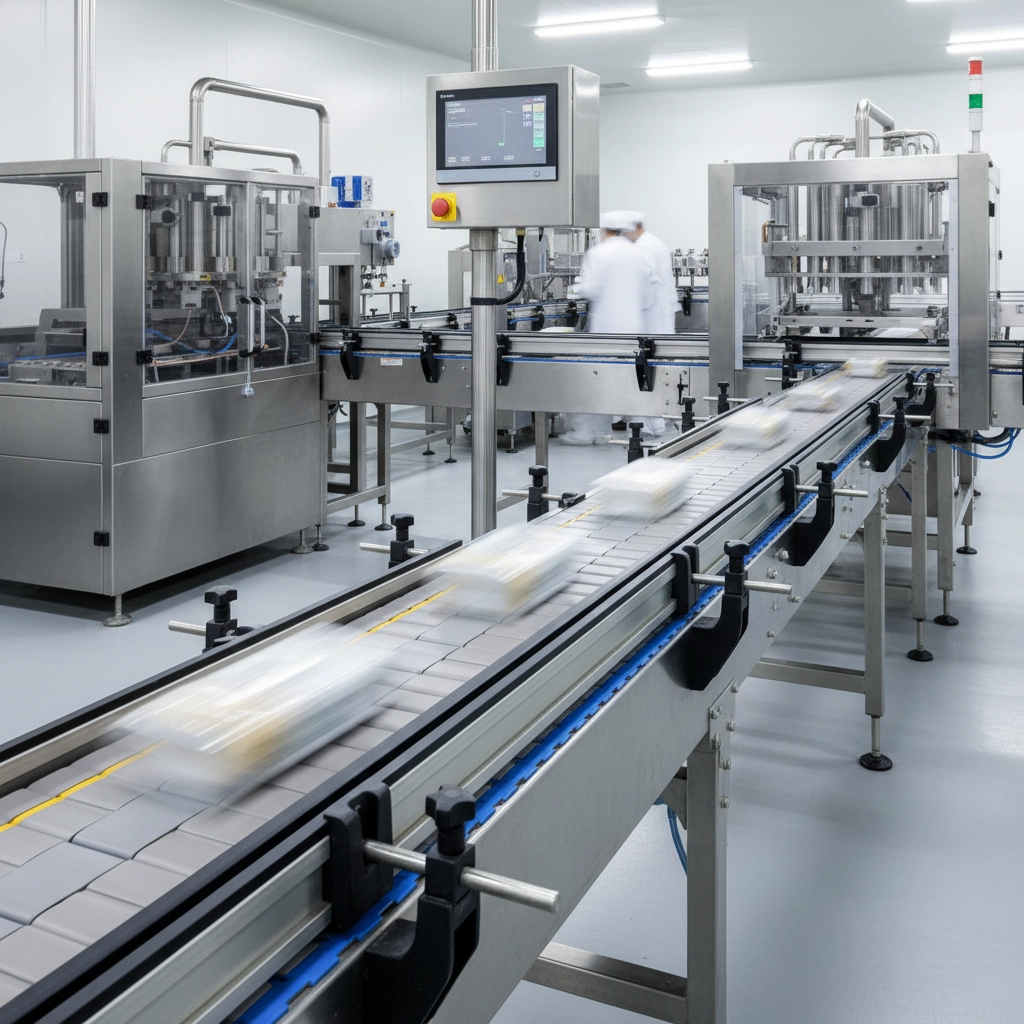
The Fundamentals of Modular Belt Chain Design
A modular belt chain is essentially a series of interlocking plastic modules that form a continuous loop. Unlike fabric belts, which can stretch or slip, the chain-driven mechanism ensures positive drive, meaning the belt moves in perfect synchronization with the sprocket. This design is critical for applications requiring precise positioning or the movement of heavy loads without the risk of belt slippage.
The inherent strength of the modular belt chain lies in its geometric stability. Because the components are molded from high-performance polymers, they maintain their shape under extreme temperatures and chemical exposure, providing a reliable surface for the continuous transport of goods in challenging industrial environments.
Core Technical Components and Materials
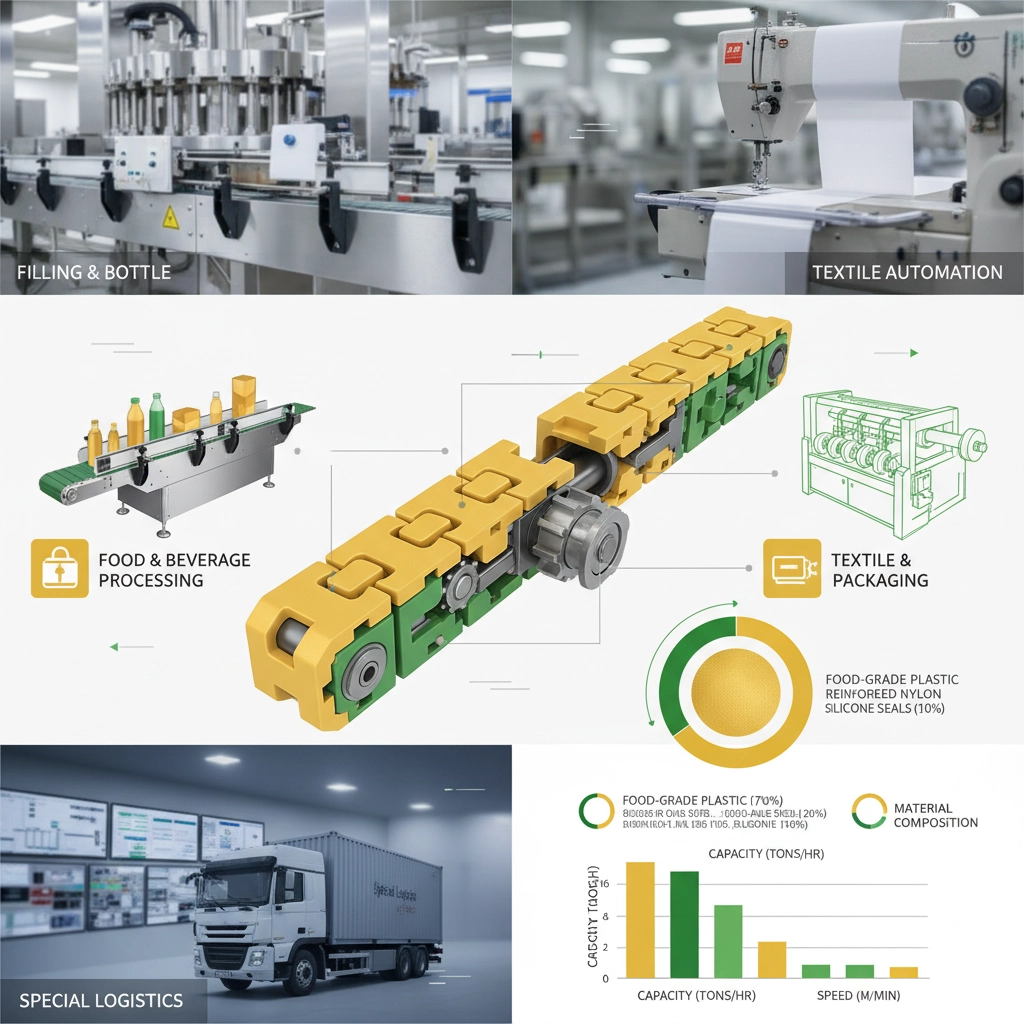
The effectiveness of a modular belt chain depends heavily on the materials used in its construction. Polypropylene (PP) is frequently chosen for its excellent chemical resistance and affordability, making it ideal for standard conveyor tasks. For more demanding environments, Polyoxymethylene (POM) is used due to its superior dimensional stability and wear resistance, ensuring the chain doesn't warp under heavy stress.
Beyond the belt surface, the internal chain links and the sprockets play a pivotal role. High-precision sprockets ensure that the modular belt chain tracks correctly, preventing "wandering" which can lead to edge damage or system jams. The integration of stainless steel reinforcements in certain modules can further enhance load-bearing capacity for heavy-duty manufacturing.
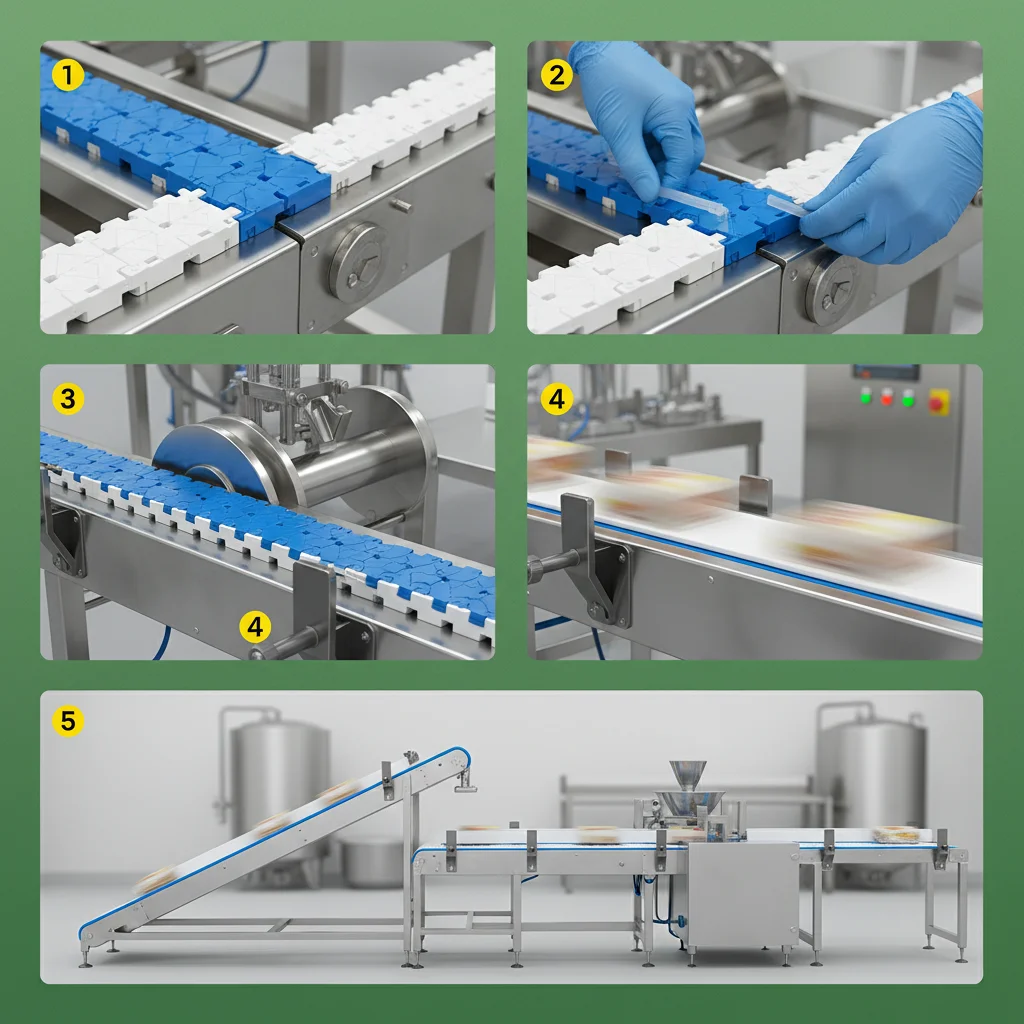
Finally, the connection pins and interlocking joints are engineered for rapid assembly. This modularity means that if a single section of the belt is damaged, it can be excised and replaced in minutes. This eliminates the need to replace the entire belt length, drastically reducing the cost of ownership and the impact of unexpected mechanical failure.
Key Performance Factors for Industrial Efficiency
Durability is the primary metric when evaluating a modular belt chain. In high-friction environments, the ability of the material to resist abrasion determines the frequency of maintenance intervals and the overall lifespan of the conveyor system.
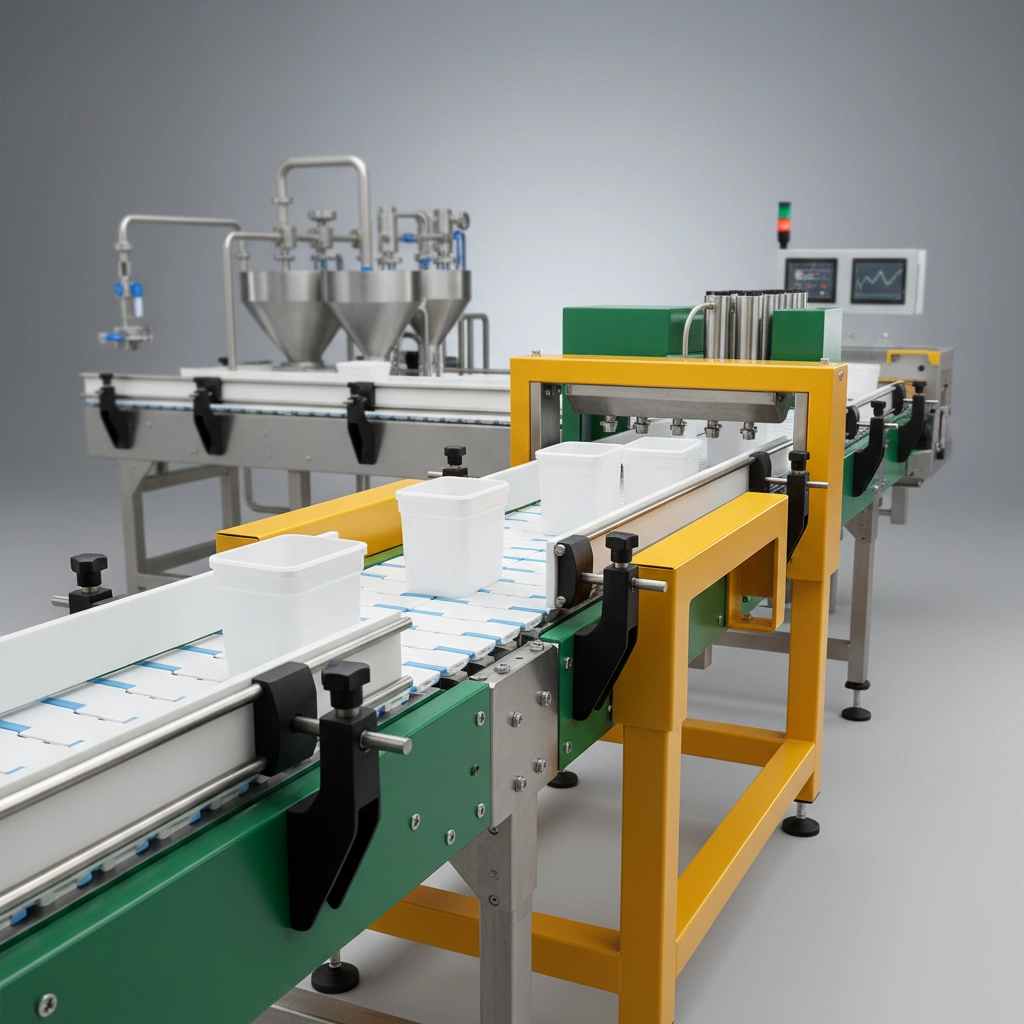
Scalability and flexibility are equally vital. A modular belt chain can be easily modified in width or length to adapt to changing production line layouts. This adaptability allows factories to pivot their operations without investing in entirely new conveyor infrastructures.
Cost efficiency is realized not just in the initial purchase, but through the reduction of energy consumption. The low coefficient of friction inherent in modern plastic modular belt chain systems reduces the torque required from motors, leading to lower electricity costs and less wear on the drive system.
Comparative Analysis of Modular Belt Chain Systems
When comparing different configurations of conveyor systems, the positive drive of a modular belt chain outperforms traditional flat belts in terms of tracking accuracy and load capacity. While flat belts are suitable for light, high-speed transport, they often struggle with heavy loads or steep inclines where slippage becomes a critical failure point.
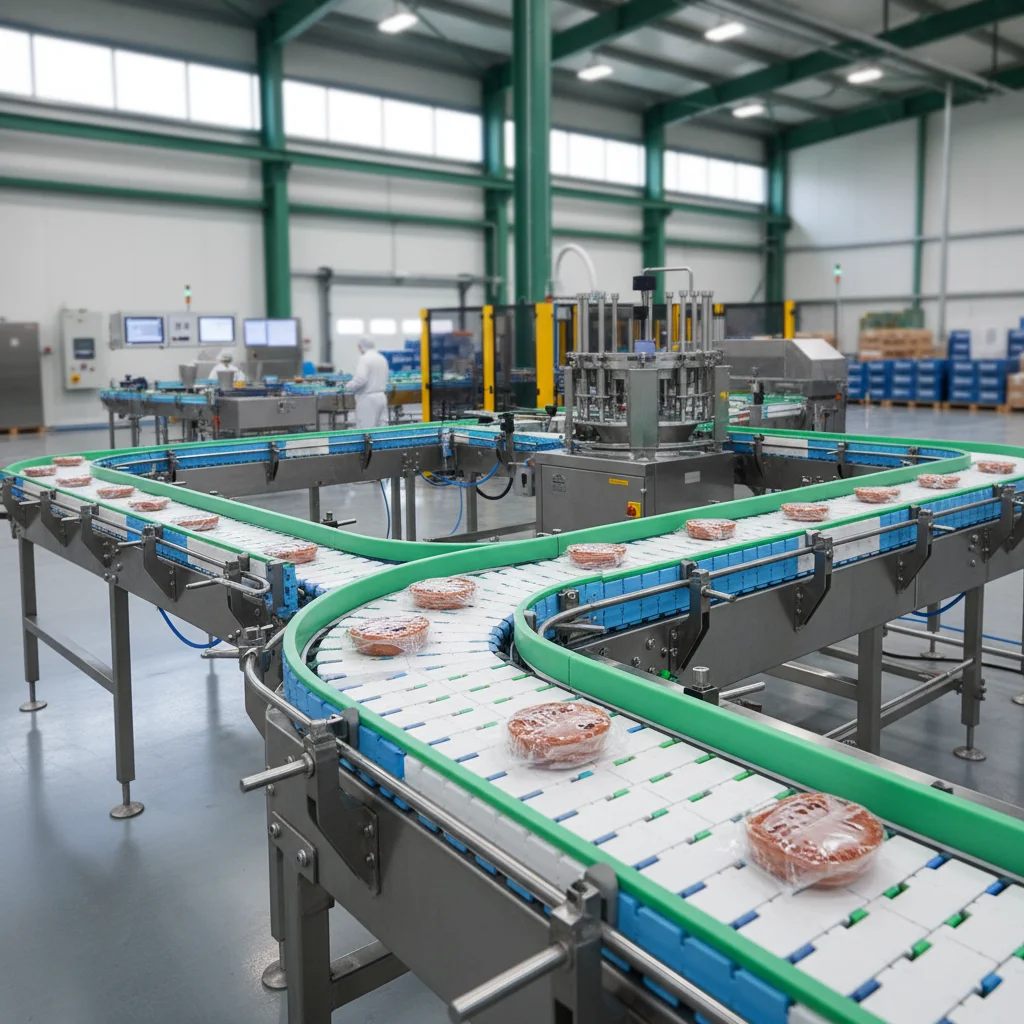
Furthermore, the hygiene standards of plastic modular systems far exceed those of fabric or rubber belts, which can harbor bacteria in porous surfaces. In food-grade applications, the seamless design and easy-wash nature of the modular chain make it the gold standard for meeting ISO and FDA safety requirements.
Efficiency Ratings of Modular Belt Chain Variations
Global Applications and Industry Use Cases
The versatility of the modular belt chain is evident in its widespread use across the food and beverage industry. In bottling plants and bakeries, these chains handle everything from raw ingredients to packaged goods, often operating in high-moisture or freeze-thaw environments where traditional belts would crack or rot.
Beyond food, the automotive and electronics sectors utilize modular chains for assembly line synchronization. In remote industrial zones or large-scale logistics hubs, the ease of shipping modular components—rather than massive, pre-vulcanized belts—makes them the preferred choice for international infrastructure projects.
Long-Term Value and Operational Advantages
The long-term value of investing in a high-quality modular belt chain is primarily found in the drastic reduction of Total Cost of Ownership (TCO). While the initial investment may be higher than a simple rubber belt, the elimination of expensive belt-splicing services and the reduction in unplanned downtime provide a rapid return on investment.
From a safety and reliability perspective, these systems provide peace of mind. The predictable wear patterns of plastic modules allow maintenance teams to implement predictive maintenance schedules, replacing parts during planned shutdowns rather than reacting to emergency failures that halt an entire factory's output.
Moreover, there is a significant sustainability angle. Modern modular belt chain materials are often recyclable, and because only damaged sections are replaced, the volume of industrial waste sent to landfills is significantly lowered compared to traditional conveyor replacements.
Future Innovations in Material Handling Technology
The future of the modular belt chain is being shaped by the integration of "smart" materials and Industry 4.0 sensors. We are seeing the emergence of belts with embedded RFID tags or conductive elements that can track the position of a product in real-time without the need for external cameras, streamlining the logistics process.
Advancements in polymer science are also introducing self-lubricating materials that eliminate the need for external oils. This is a game-changer for the pharmaceutical and food industries, where lubricant contamination is a critical risk, and the move toward "dry" operation enhances both product purity and worker safety.
As automation and robotics continue to evolve, the modular belt chain will likely integrate more closely with AI-driven sorting systems. The ability to quickly swap belt configurations to accommodate new product dimensions will be essential for the flexible manufacturing systems of tomorrow.
Comparison of Advanced Modular Belt Chain Specifications
| Material Type |
Wear Resistance |
Temp Range |
Ideal Application |
| Polypropylene (PP) |
Moderate (6/10) |
-20°C to 90°C |
General Packaging |
| Polyoxymethylene (POM) |
High (9/10) |
-40°C to 110°C |
Heavy Industrial Assembly |
| PE-UHMW |
Very High (10/10) |
-100°C to 80°C |
Cold Storage/Freezers |
| Acetal (Special) |
High (8/10) |
-30°C to 120°C |
Chemical Processing |
| Reinforced Polymer |
Extreme (10/10) |
-20°C to 150°C |
High-Heat Ovens |
| Food-Grade PP |
Moderate (7/10) |
0°C to 100°C |
Bakery/Meat Processing |
FAQS
The primary advantage is the modular construction. Unlike traditional belts, which must be replaced entirely when damaged, a modular belt chain allows for the replacement of individual modules. Additionally, it offers a positive drive via sprockets, which eliminates slippage and ensures precise tracking, making it far more reliable for heavy loads and complex movements.
Material choice depends on your environment. Polypropylene (PP) is best for chemical resistance and cost-efficiency; Polyoxymethylene (POM) is ideal for high-wear, heavy-load applications; and PE-UHMW is the gold standard for extreme cold or freezer environments. Always consider temperature ranges and food-safety certifications when selecting.
Maintenance intervals vary, but modular chains generally require less frequent intervention than rubber belts. Regular checks should focus on sprocket wear and the integrity of the interlocking pins. Because wear is predictable, many companies move to a predictive maintenance model, replacing high-stress sections every 12-24 months depending on load volume.
Yes, they are specifically designed for this. Plastic modular belts are non-porous, making them much easier to sanitize than fabric belts. Most are manufactured from FDA-approved materials, ensuring that they do not leach chemicals into food products and can withstand rigorous high-pressure wash-down procedures.
While the initial component cost might be higher than a simple flat belt, the installation is often faster due to the modular nature. The real savings come from the reduced downtime and the ability to perform "on-the-fly" repairs. In the long run, the Total Cost of Ownership is significantly lower due to extended lifespans and minimal replacement waste.
Proper tracking is achieved through the precise alignment of sprockets and the use of guide rails. Ensuring that the sprockets are perfectly parallel and that the belt tension is correctly calibrated prevents "wandering." Regular inspection of the guide wear strips is also recommended to ensure the chain stays centered during high-speed operation.
Conclusion
The adoption of the modular belt chain represents a strategic evolution in material handling, moving away from fragile, monolithic systems toward flexible, durable, and maintainable solutions. By combining superior material science with a modular architecture, industries can achieve higher throughput, stricter hygiene standards, and a significant reduction in operational downtime.
Looking forward, as the industry embraces digital transformation and sustainable manufacturing, the role of the modular belt chain will only grow. We recommend that facility managers audit their current conveyor systems to identify bottlenecks where a transition to modular plastic components could yield immediate efficiency gains. For world-class conveyor solutions, visit our website: www.rellwin.com