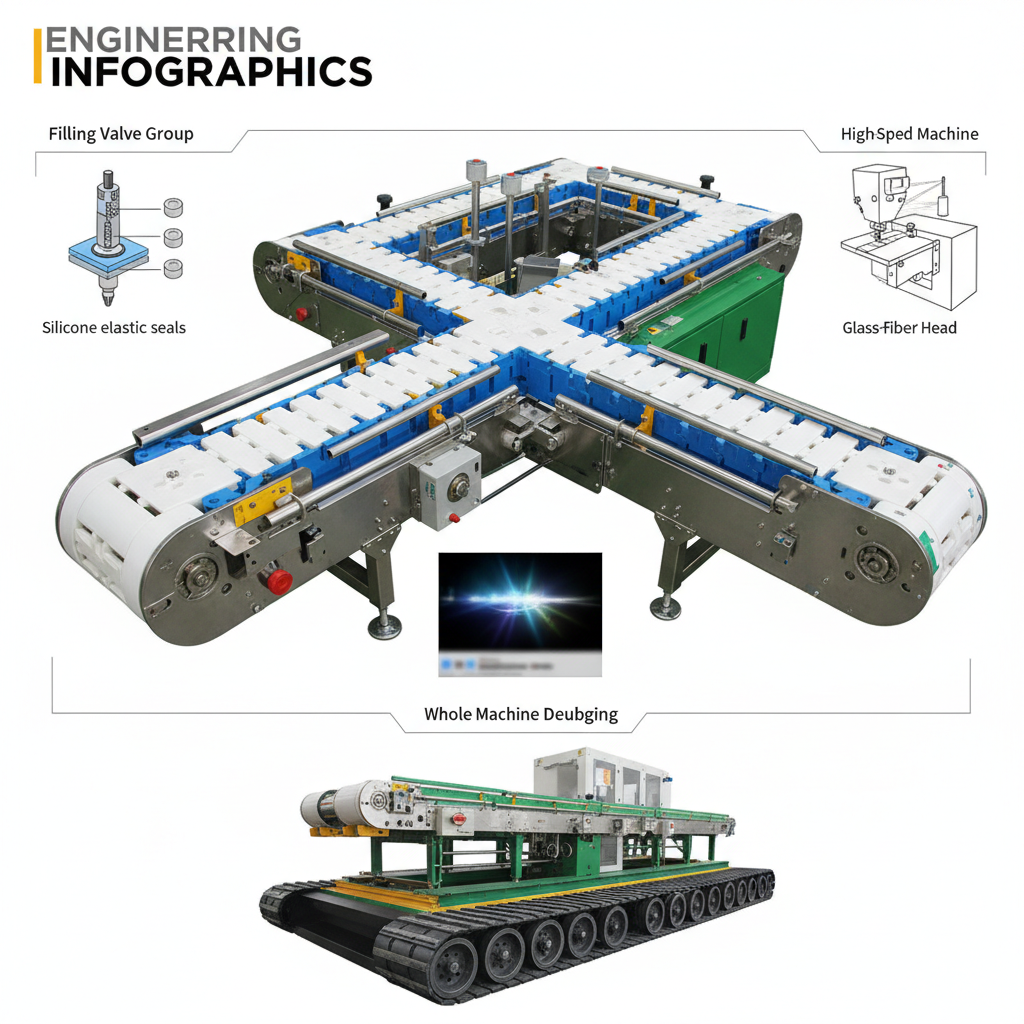
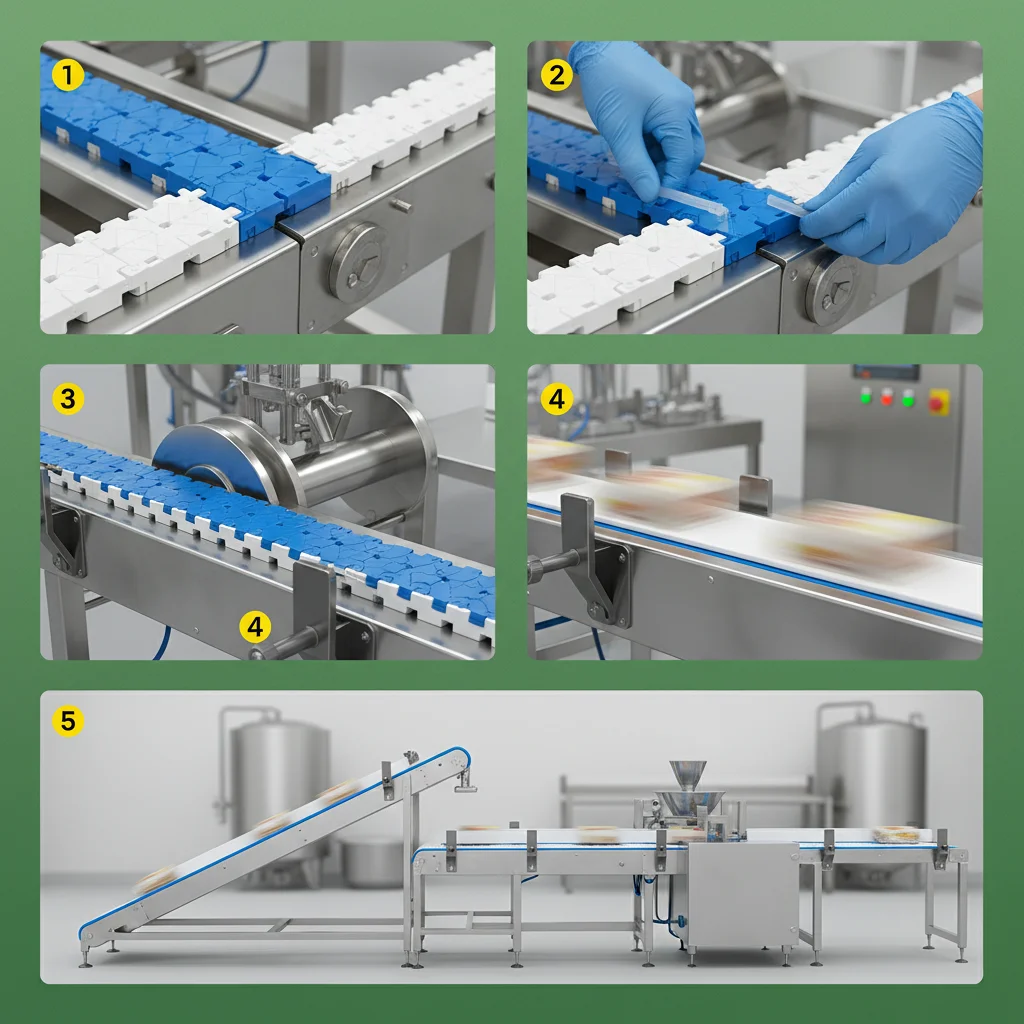
The modern industrial landscape demands an unprecedented level of efficiency and flexibility in material handling. A modular belt conveyor stands as a cornerstone of this evolution, offering a versatile alternative to traditional fabric belts by utilizing interlocking plastic modules. These systems are engineered to handle a diverse array of products, from delicate food items to heavy automotive components, ensuring a seamless flow of goods across the production floor.
Globally, the shift toward automation and "lean manufacturing" has highlighted the critical need for conveyor systems that minimize downtime. Unlike traditional belts that require complete replacement when damaged, the modular design allows for the replacement of individual segments, drastically reducing maintenance windows. This systemic resilience is why industries worldwide are transitioning to modular plastic components to safeguard their operational continuity.
Understanding the nuances of a modular belt conveyor is not merely about technical specifications; it is about optimizing the heartbeat of a factory. By integrating advanced materials and ergonomic designs, companies can achieve higher throughput, better hygiene standards, and a significantly lower total cost of ownership over the equipment's lifecycle.
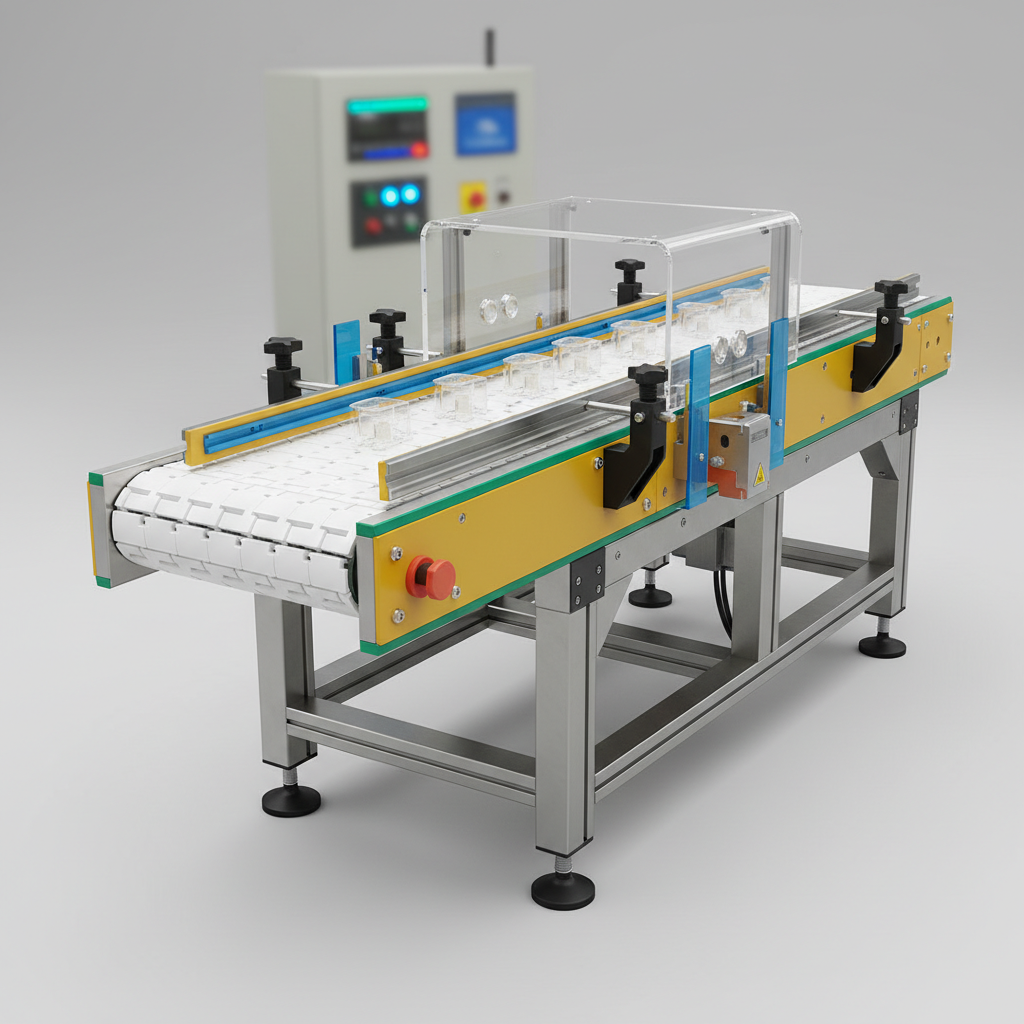
The Fundamental Mechanics of Modular Belt Conveyors
At its core, a modular belt conveyor functions through a series of precision-molded plastic modules that snap together to form a continuous belt. This unique architecture allows the belt to be tailored to the exact width and length required for a specific application, eliminating the need for complex splicing or vulcanizing processes common in rubber belts.
The strength of this system lies in its adaptability. Because the modules are interconnected, the belt can be designed to travel in straight lines, navigate tight curves, or even climb inclines without the risk of tracking issues. This flexibility makes it an indispensable tool for complex layout environments where space is at a premium and efficiency is non-negotiable.
Global Industry Context and Demand Drivers
On a global scale, the demand for high-performance material handling has spiked, driven by the rapid expansion of e-commerce and the stringent hygiene requirements of the food and pharmaceutical sectors. According to ISO standards for industrial automation, the move toward modularity is a response to the need for "zero-downtime" environments. In these sectors, a single hour of conveyor failure can result in thousands of dollars in lost revenue.
The challenge facing many manufacturers is the unpredictability of production loads and the corrosive nature of certain industrial environments. Traditional belts often fail under extreme temperatures or when exposed to harsh cleaning chemicals. This has created a market gap that the modular belt conveyor fills perfectly, offering materials like Polypropylene (PP) and Acetal (POM) that resist chemical erosion and temperature fluctuations.
Furthermore, the global trend toward sustainable manufacturing is pushing companies to seek equipment with a longer lifespan and lower waste profile. Modular systems align with these goals because they are recyclable and maintainable at a granular level. Instead of discarding a 100-foot belt due to a small tear, technicians simply replace the damaged modules, significantly reducing industrial waste.
Core Material Engineering and Durability
The engineering behind a modular belt conveyor begins with the selection of the polymer. Different applications require different chemical properties; for instance, food-grade polymers must be FDA-compliant and non-porous to prevent bacterial growth, while heavy-duty industrial belts require high impact resistance to withstand falling loads.
Durability is enhanced through the precision of the interlocking joints. A high-quality modular belt conveyor utilizes tight tolerances in its mold design to ensure that the belt does not stretch or deviate under tension, maintaining a consistent track even under maximum load capacities.
Beyond the belt itself, the interaction between the plastic modules and the support wear strips is crucial. By optimizing the coefficient of friction, engineers can reduce energy consumption and wear, ensuring that the modular belt conveyor operates smoothly for years with minimal lubrication.
Performance Metrics Across Different Configurations
Evaluating the efficiency of a modular belt conveyor requires looking at various operational metrics, including friction coefficients, load-bearing capacity, and ease of installation. Different configurations—such as open-grid for drainage or solid-top for small parts—offer varying levels of performance depending on the intended use.
When comparing these configurations, the decision usually hinges on the balance between permeability and stability. For instance, a conveyor used in a blast freezer requires a design that allows air to circulate around the product, whereas a packaging line requires a flat, stable surface to prevent items from tipping over.
Performance Comparison of Modular Belt Conveyor Types
Strategic Global Applications and Use Cases
In real-world industrial zones, the modular belt conveyor is deployed in diverse environments. For example, in large-scale bottling plants in Europe, these conveyors are used to move thousands of glass bottles per hour through washing and filling stations, where the ability to withstand high-pressure hot water cleaning is paramount.
Similarly, in the logistics hubs of North America, modular belts are integrated into sorting systems that must handle packages of varying weights and sizes. The scalability of the modular system allows these hubs to quickly expand their conveyor lines as seasonal demand increases, proving that the modular belt conveyor is as much a strategic business asset as it is a piece of hardware.
Long-Term Value and Operational Sustainability
The long-term value of investing in a modular belt conveyor is most evident when analyzing the total cost of ownership (TCO). While the initial investment might be higher than a basic fabric belt, the drastic reduction in unplanned downtime and the ease of partial repairs lead to significant cost savings over a 5-to-10-year period.
From a sustainability perspective, the use of high-grade plastics reduces the need for chemical adhesives and vulcanizing agents, which are often hazardous to both the environment and the operator. This makes the modular belt conveyor a safer choice for workers, enhancing the overall dignity and safety of the workplace.
Moreover, the reliability of modular systems builds trust between the manufacturer and the end-user. When a facility manager knows that a belt failure can be fixed in minutes by snapping in a few new modules, rather than hours of splicing, the emotional stress of production management is significantly reduced.
Future Innovations in Plastic Conveyor Technology
The future of the modular belt conveyor is being shaped by the integration of "Smart Manufacturing" or Industry 4.0. We are seeing the emergence of sensors embedded directly into conveyor frames that can detect belt tension or module wear in real-time, allowing for predictive maintenance before a failure occurs.
Material science is also evolving, with the development of bio-based polymers that maintain the strength of POM but offer a lower carbon footprint. These green materials are becoming increasingly popular in the European market, where strict environmental policies are driving the shift toward biodegradable or fully recyclable conveyor components.
Additionally, automation is enhancing the installation process. Robotic systems are being developed to assemble modular belts with micron-level precision, ensuring that the modular belt conveyor is perfectly aligned from day one, further increasing energy efficiency and reducing mechanical wear.
Comparative Analysis of Modular Belt Material Performance
| Material Type |
Temperature Resistance |
Wear Resistance Score |
Primary Application |
| Polypropylene (PP) |
-20°C to 90°C |
7/10 |
Food Processing |
| Acetal (POM) |
-40°C to 110°C |
10/10 |
Heavy Industrial |
| Polyethylene (PE) |
-70°C to 80°C |
6/10 |
Freezer Conveying |
| Polyurethane (PU) |
-30°C to 100°C |
9/10 |
Pharmaceuticals |
| Stainless Steel Mix |
Up to 300°C |
8/10 |
High Heat Baking |
| Anti-Static Polymer |
-20°C to 80°C |
7/10 |
Electronics Assembly |
FAQS
The primary advantage is maintainability. In a traditional belt, a single tear often requires the entire belt to be replaced or professionally spliced. With a modular belt conveyor, you only replace the damaged modules. Additionally, modular belts offer superior tracking, can handle curves more effectively, and are generally more resistant to chemicals and extreme temperatures.
Depending on the material and environment, a modular belt can last from 5 to 15 years. Acetal (POM) belts used in heavy industrial settings offer the highest wear resistance. To maximize lifespan, regular inspection of the wear strips and ensuring proper belt tension are recommended.
Yes, provided you choose the correct material. Polypropylene (PP) and specific PU grades are FDA and EU compliant. Their non-porous surface prevents food particles from becoming trapped, and the open-grid designs allow for easy wash-downs, making them more hygienic than porous fabric belts.
Yes. Modular belts can be equipped with "flights" or cleats—raised profiles that act as barriers to prevent products from sliding backward. This allows them to transport items up steep inclines with high stability, a feature that is much harder to achieve with standard smooth belts.
Choose Polypropylene (PP) for food applications and environments where chemical resistance is more important than mechanical wear. Choose Acetal (POM) for heavy-duty applications, high-load capacity, and environments where the belt will experience significant friction or impact.
While the initial cost of components may be higher, the installation is often faster and requires less specialized labor than vulcanized belts. When you factor in the reduced downtime for repairs and the longer operational life, the total cost of ownership is typically lower than traditional alternatives.
Conclusion
The adoption of the modular belt conveyor represents a strategic shift toward operational resilience and industrial efficiency. By combining precision material engineering with a flexible, modular architecture, these systems solve the age-old problem of conveyor downtime while meeting the strictest global standards for hygiene and safety. From the agility of e-commerce hubs to the precision of pharmaceutical lines, the modular approach ensures that production never stops.
Looking forward, the integration of smart sensors and sustainable polymers will further elevate the role of modular conveying in the Industry 4.0 era. We recommend that manufacturers evaluate their current downtime costs and consider transitioning to modular plastic components to future-proof their operations. For high-quality, durable solutions that drive growth, visit our website: www.rellwin.com.