The global industrial landscape is undergoing a massive shift toward automation and precision, where the modular belt (conveyor)machine stands as a cornerstone of modern material handling. By integrating interlocking plastic modules, these systems provide a level of flexibility and hygiene that traditional fabric or metal belts simply cannot match, making them indispensable in high-throughput environments.
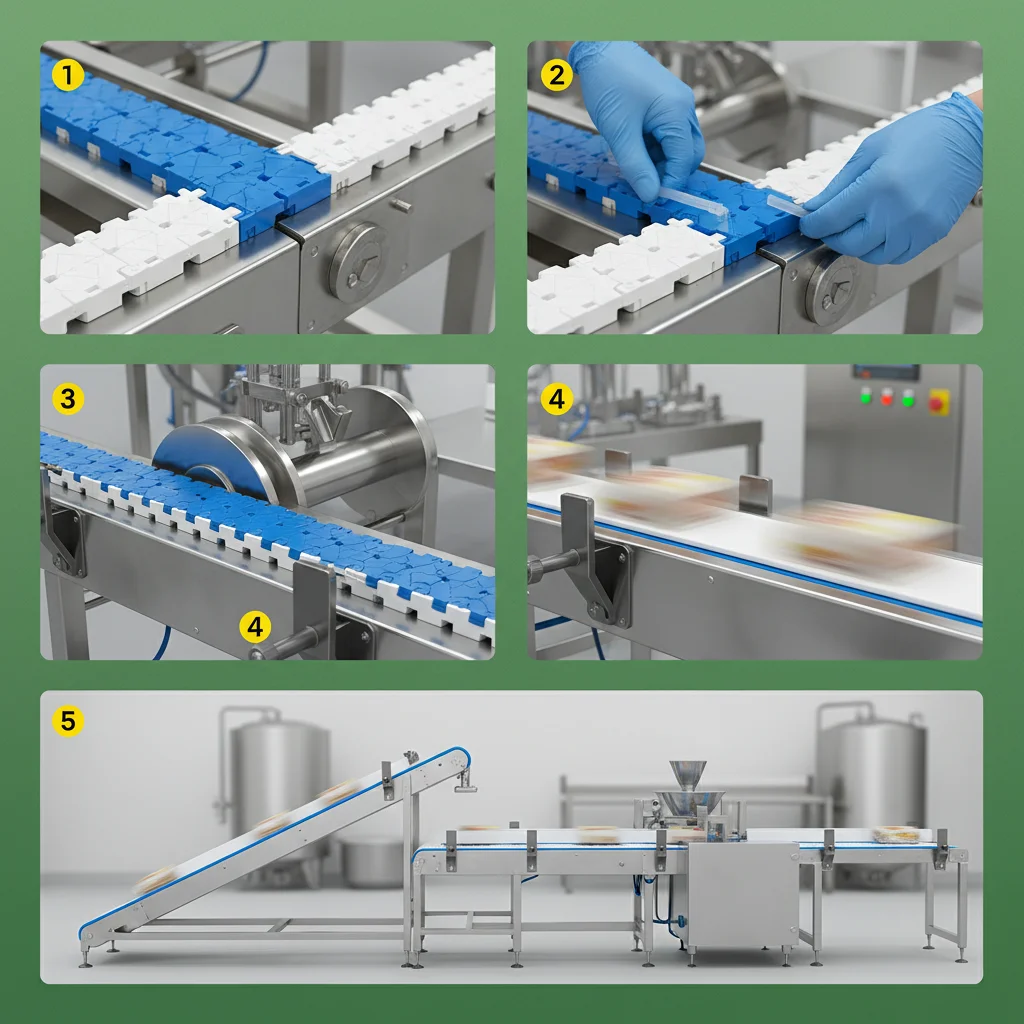
Understanding the nuances of a modular belt (conveyor)machine is no longer just for engineers; it is a strategic necessity for business owners looking to reduce downtime and optimize operational costs. The ability to replace a single damaged module rather than an entire belt length represents a paradigm shift in maintenance, ensuring that production lines remain active and efficient.
Whether applied in the stringent environments of food processing or the rugged conditions of heavy manufacturing, the modular belt (conveyor)machine offers a scalable solution to the complex challenge of continuous transport. This guide explores the technical depths and commercial advantages of adopting modular systems to drive long-term industrial growth.
Global Relevance of Modular Belt Systems
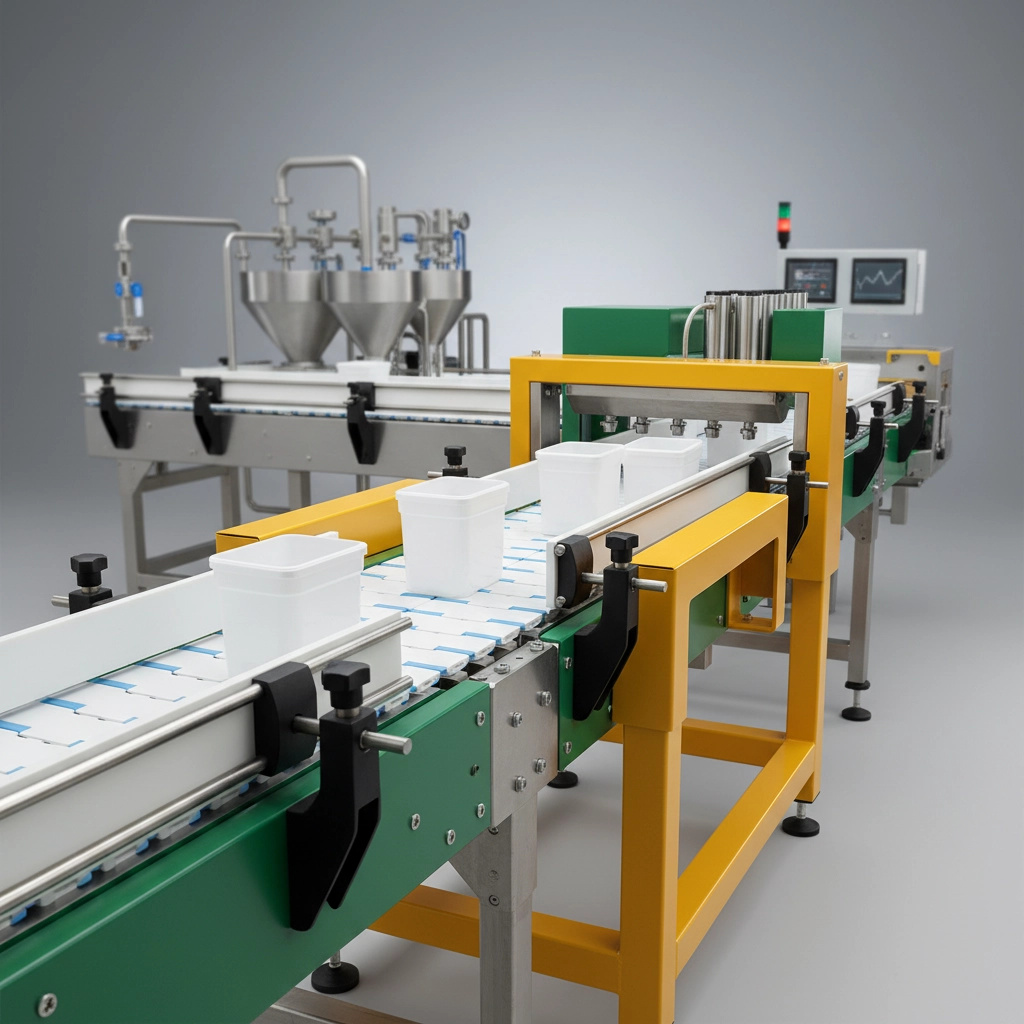
In today's global economy, the demand for rapid logistics and sanitized production has pushed the modular belt (conveyor)machine to the forefront of industrial design. With the rise of ISO standards for food safety and lean manufacturing, companies are moving away from monolithic conveyor belts that are prone to catastrophic failure and difficult to clean.
The strategic implementation of these systems across Europe, Asia, and North America has led to a measurable decrease in unplanned downtime. By utilizing high-performance polymers, the modular belt (conveyor)machine addresses the critical challenge of wear and tear in abrasive environments, ensuring that global supply chains remain resilient.
Defining the Modular Belt (Conveyor) Machine
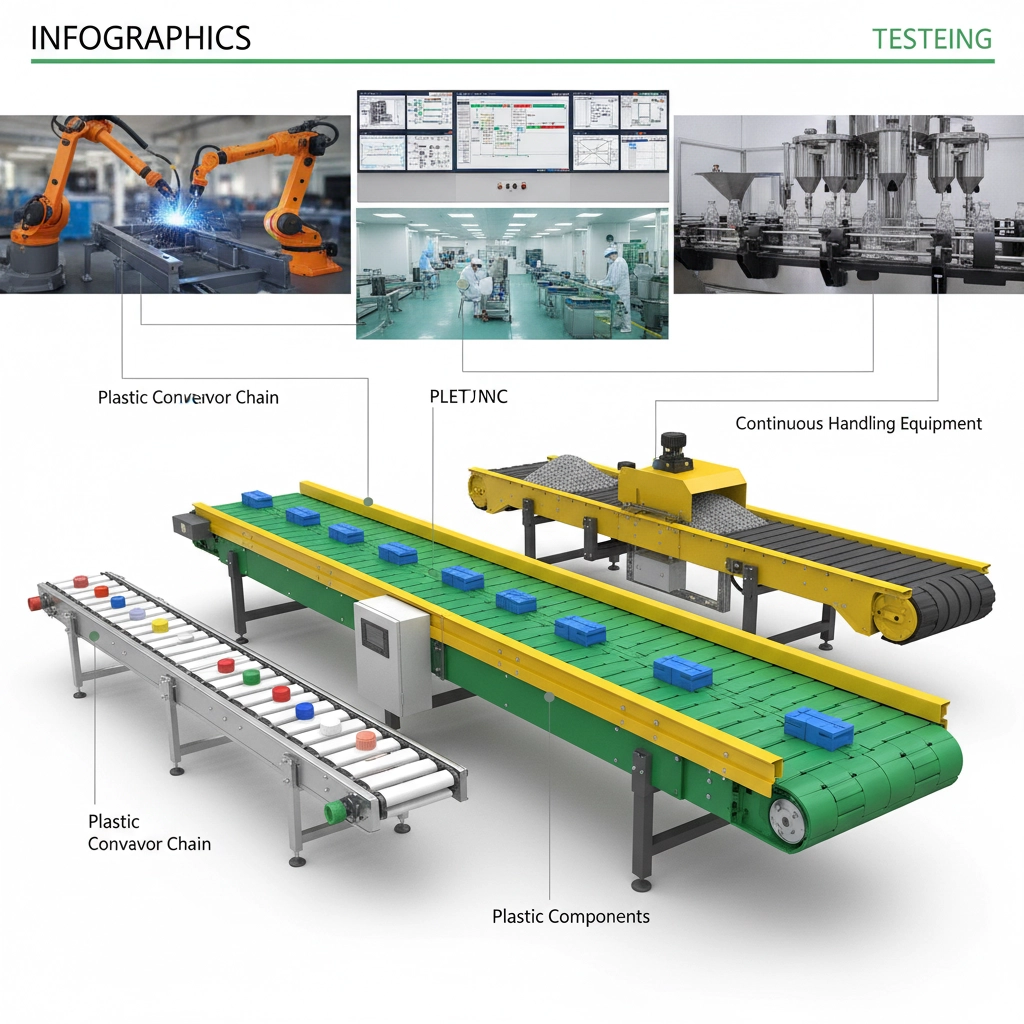
At its core, a modular belt (conveyor)machine is a transport system composed of individual plastic modules linked together to form a continuous, flexible belt. Unlike traditional belts that are vulcanized or mechanically fastened at the ends, modular belts are built from a grid of interlocking parts, allowing for precise adjustments in width and length without the need for specialized splicing tools.
This architectural design connects the machine directly to the needs of modern industry, where versatility is key. The modular nature allows the belt to navigate tight curves, climb inclines, and integrate specialized features like flighted bars or open grids for drainage, making the modular belt (conveyor)machine a multi-tool for material handling.
Beyond the hardware, these machines represent a commitment to humanitarian and safety standards. By reducing the risk of belt snaps and improving the ease of sanitation, they protect workers from accidents and consumers from contamination, bridging the gap between raw industrial power and refined operational safety.
Core Components for Operational Durability
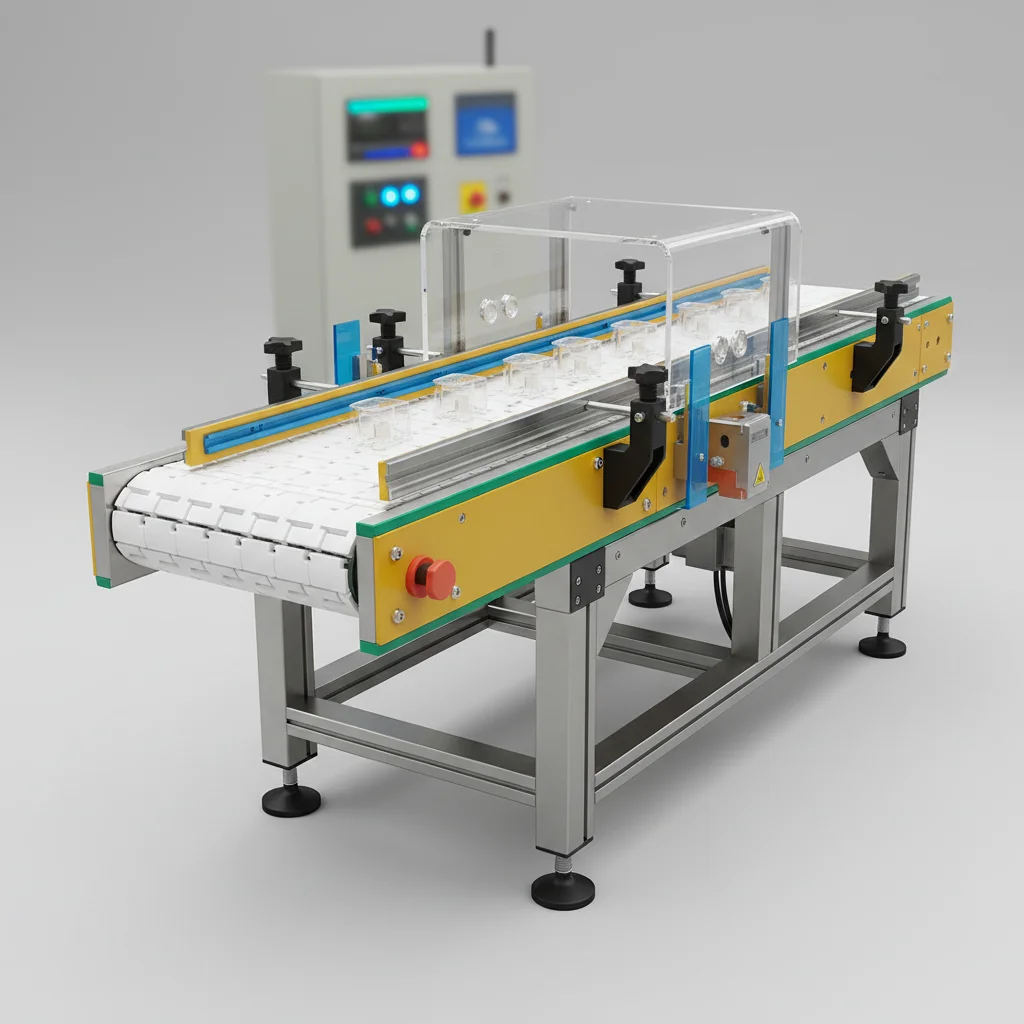
The durability of a modular belt (conveyor)machine depends heavily on the quality of its plastic components. High-grade Polypropylene (PP) and Polyethylene (PE) are commonly used to ensure the belt can withstand chemical exposure and extreme temperature fluctuations without warping or cracking.
Another critical aspect is the sprocket engagement. A well-designed modular belt (conveyor)machine utilizes precision-engineered sprockets that lock into the belt's modules, eliminating the "slippage" common in traditional belt drives and ensuring a consistent flow of materials.
Finally, the support wear strips are essential for reducing friction. By providing a low-friction surface for the modular belt (conveyor)machine to glide upon, these components extend the lifespan of the belt and reduce the energy consumption of the drive motor, contributing to overall machine longevity.
Key Factors for Cost Efficiency and Scalability
Cost efficiency in a modular belt (conveyor)machine is achieved through the "module-level repair" philosophy. Instead of replacing a 50-meter belt because of a 10-centimeter tear, technicians can simply pop out the damaged modules and snap in new ones, reducing material waste and labor costs significantly.
Scalability is equally impressive; as production needs grow, a modular belt (conveyor)machine can be expanded by adding more modules and extending the frame. This allows businesses to start with a modest setup and grow their capacity organically without needing to purchase entirely new equipment.
Performance Comparison of Modular Belt (Conveyor) Machine Variations
Global Applications and Industrial Use Cases
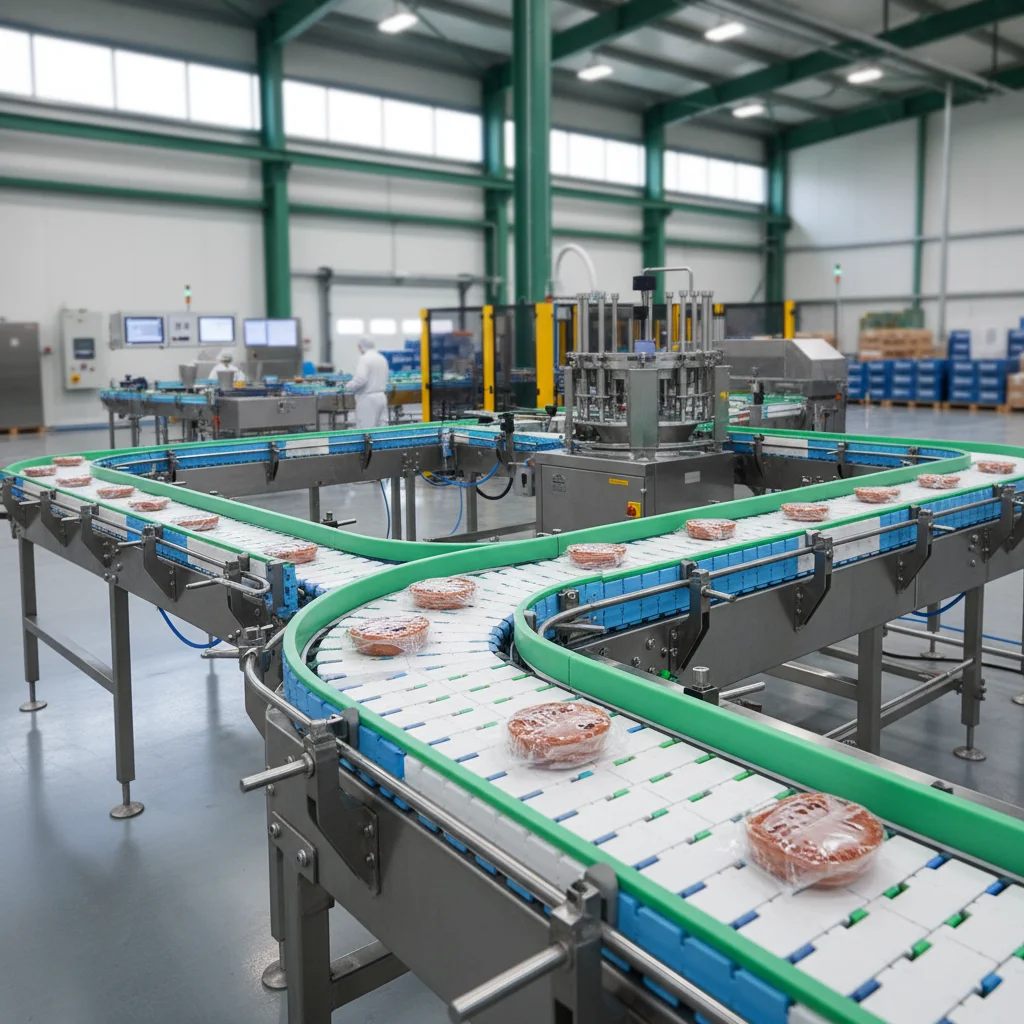
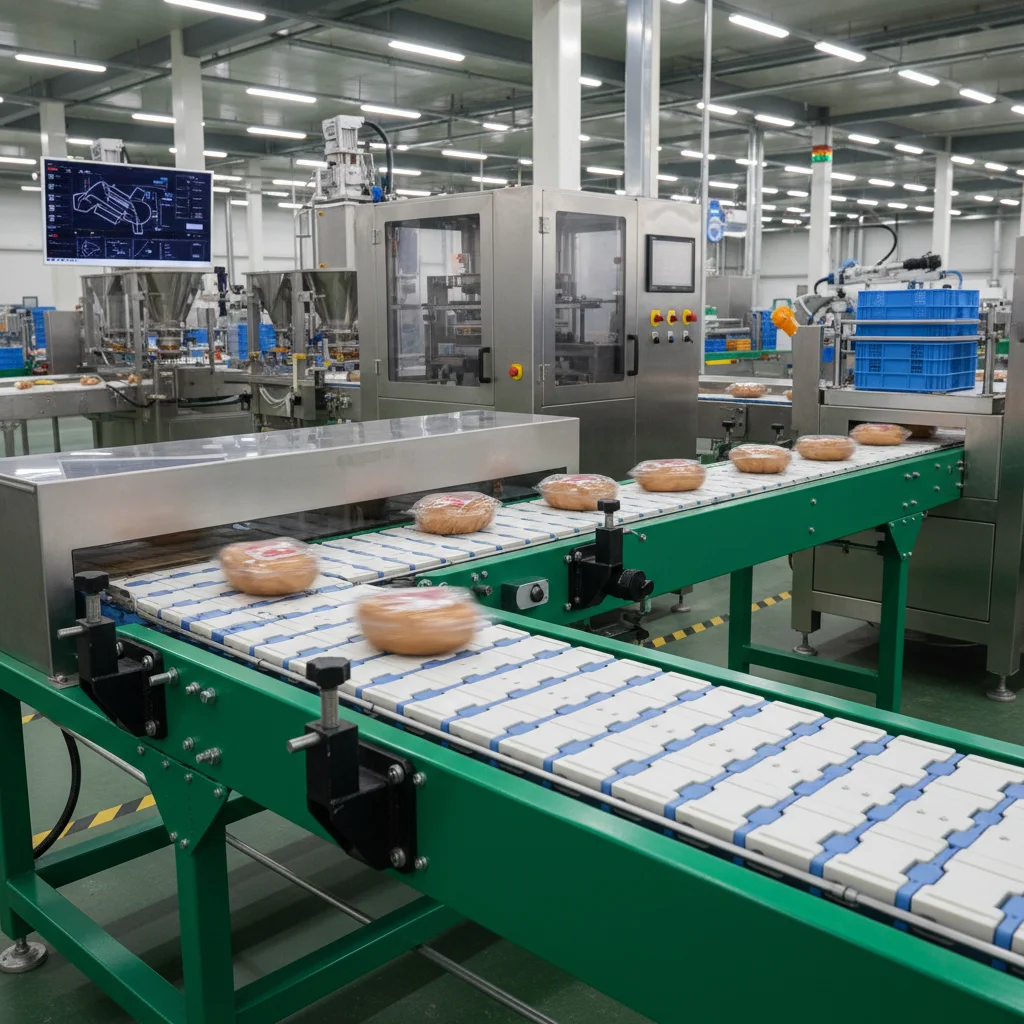
The versatility of the modular belt (conveyor)machine is evident in the food and beverage industry, where hygiene is non-negotiable. In large-scale bottling plants in Germany or seafood processing centers in Norway, these machines are used to move products through wash-down zones where high-pressure water and caustic chemicals are used for sterilization.
Beyond food, we see the modular belt (conveyor)machine applied in remote industrial zones, such as mining operations in Australia or automotive assembly lines in Japan. In these contexts, the ability to withstand heavy loads and abrasive dust makes modular systems far superior to traditional rubber belts, ensuring a continuous flow of raw materials.
Long-Term Value and Sustainable Advantages
Investing in a modular belt (conveyor)machine provides tangible long-term value through significantly reduced Total Cost of Ownership (TCO). Because the system is designed for longevity and easy maintenance, the frequency of complete system overhauls is minimized, allowing companies to allocate capital toward other innovations rather than constant repairs.
From a sustainability perspective, these machines are a win for the environment. The use of recyclable thermoplastics and the reduction of waste—since only damaged parts are replaced—aligns with global "Green Industry" initiatives. This logical shift toward sustainability also builds trust with eco-conscious consumers.
Furthermore, the reliability of the modular belt (conveyor)machine enhances worker safety and dignity. By eliminating the dangerous tensioning processes required for traditional belts and providing a stable, predictable transport mechanism, the workplace becomes a safer environment for all employees.
Future Trends in Conveyor Automation
The future of the modular belt (conveyor)machine is inextricably linked to the digital transformation of the factory floor. We are seeing the integration of IoT sensors directly into the conveyor frame to monitor belt tension and wear in real-time, enabling "predictive maintenance" that stops failures before they happen.
Advancements in material science are also introducing antimicrobial polymers and self-lubricating plastics, further reducing the need for external oils and chemicals. This evolution ensures that the modular belt (conveyor)machine remains compatible with the strictest environmental and health regulations.
As automation moves toward "Industry 4.0," the modular belt (conveyor)machine is becoming more adaptive. Future systems will likely feature dynamic speed adjustments and automated sorting integration, transforming a simple transport tool into an intelligent logistics hub.
Comparative Analysis of Modular Belt Materials and Performance
| Material Type |
Temperature Range |
Wear Resistance |
Industry Application |
| Polypropylene |
-20°C to 90°C |
Medium |
General Packaging |
| Polyethylene |
-70°C to 80°C |
Medium-High |
Freezer/Cold Storage |
| Acetal (POM) |
-40°C to 110°C |
Very High |
Heavy Industrial/Automotive |
| Stainless Steel |
-100°C to 500°C |
Extreme |
Ovens/High Heat |
| Custom TPU |
-30°C to 100°C |
High (Grip) |
Inclined Transport |
| Fluoropolymer |
-50°C to 200°C |
High (Chemical) |
Pharmaceutical/Chemical |
FAQS
The primary advantage is the ease of maintenance. Traditional belts require full replacement when a tear occurs, whereas a modular belt (conveyor)machine allows for the replacement of individual modules. Additionally, modular belts offer superior drainage, better tracking (no drifting), and higher resistance to chemicals and extreme temperatures.
Lifespan varies by material; however, with proper lubrication of wear strips and regular inspections, a high-quality modular belt (conveyor)machine can last many years. Because you can replace worn-out sections periodically, the overall system lifespan is often significantly longer than that of fabric or rubber conveyors.
Yes. It is cost-effective due to the reduction in downtime and the "repair-not-replace" model. It is eco-friendly because most modules are made from recyclable thermoplastics, and the precision engineering reduces energy consumption by minimizing friction compared to older belt technologies.
Absolutely. One of the strongest features of the modular belt (conveyor)machine is its ability to be configured for side-flexing (curves) and the addition of "flights" or cleats for inclined transport. This makes them far more versatile than straight-line traditional belts.
The choice depends on your environment. Use Polyethylene for cold storage, Polypropylene for general food use, and Acetal for heavy-duty industrial wear. If you are dealing with extreme heat or sterile pharmaceutical requirements, specialized stainless steel or fluoropolymer modules are recommended.
Most leading suppliers provide standardized modular components that comply with international shipping and ISO quality standards. By working with an experienced partner like Rellwin, companies can ensure they receive the correct specifications for their local voltage and safety regulations.
Conclusion
The adoption of the modular belt (conveyor)machine represents a strategic evolution in industrial material handling. From the drastic reduction in maintenance downtime to the enhanced hygiene and scalability, these systems solve the most pressing challenges of modern production lines. By focusing on durable plastic components and intelligent design, businesses can achieve a seamless balance between high-volume output and operational reliability.
Looking forward, the integration of smart sensors and sustainable materials will only increase the value of modular systems. For any enterprise aiming to optimize its logistics and embrace the principles of Industry 4.0, transitioning to modular conveyor technology is not just an upgrade—it is a competitive necessity. Visit our website to learn more: www.rellwin.com