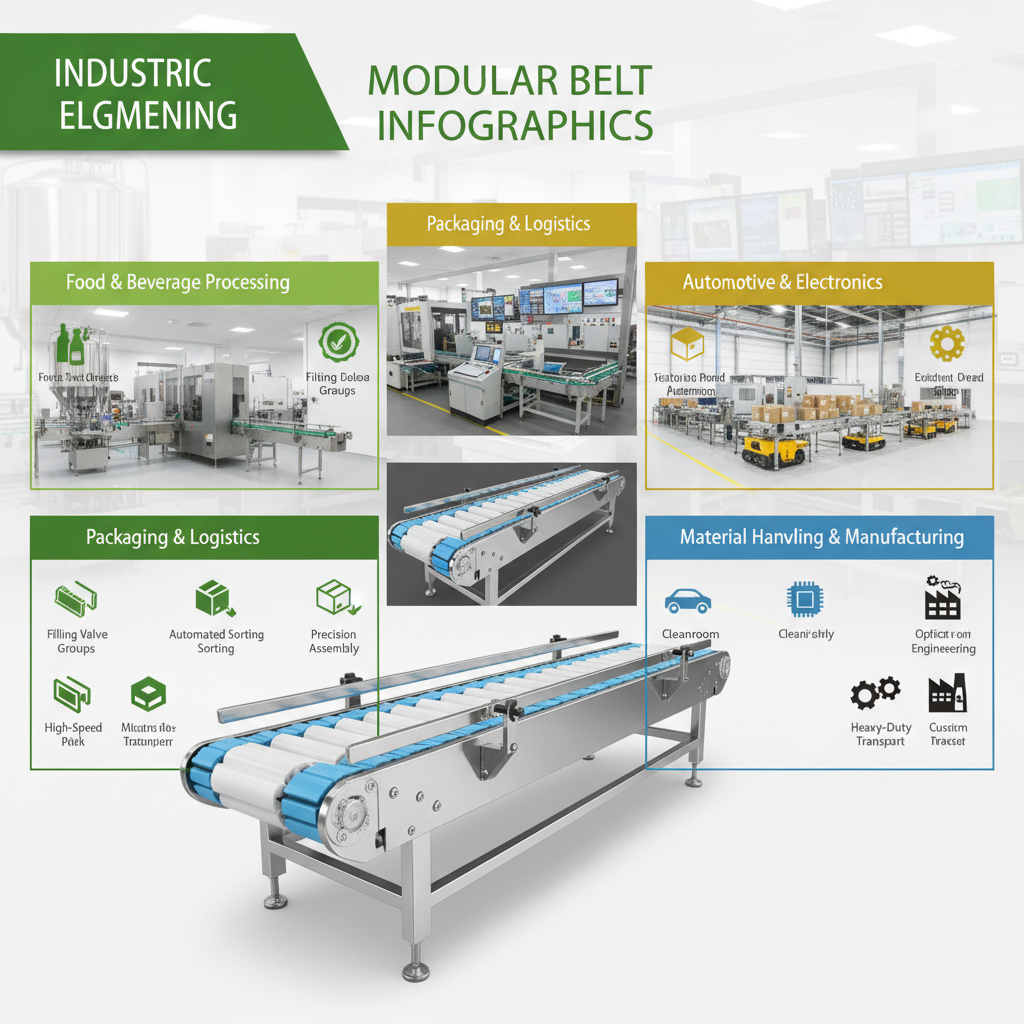
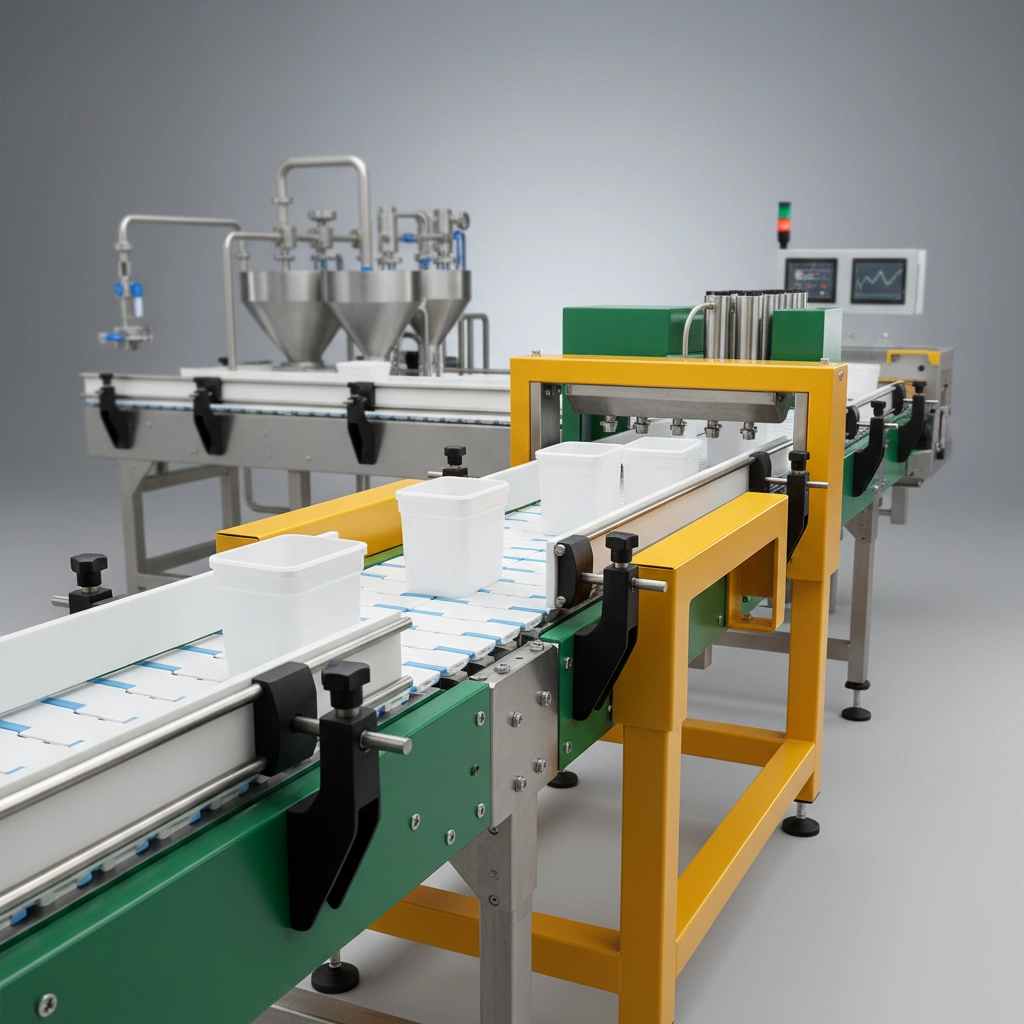
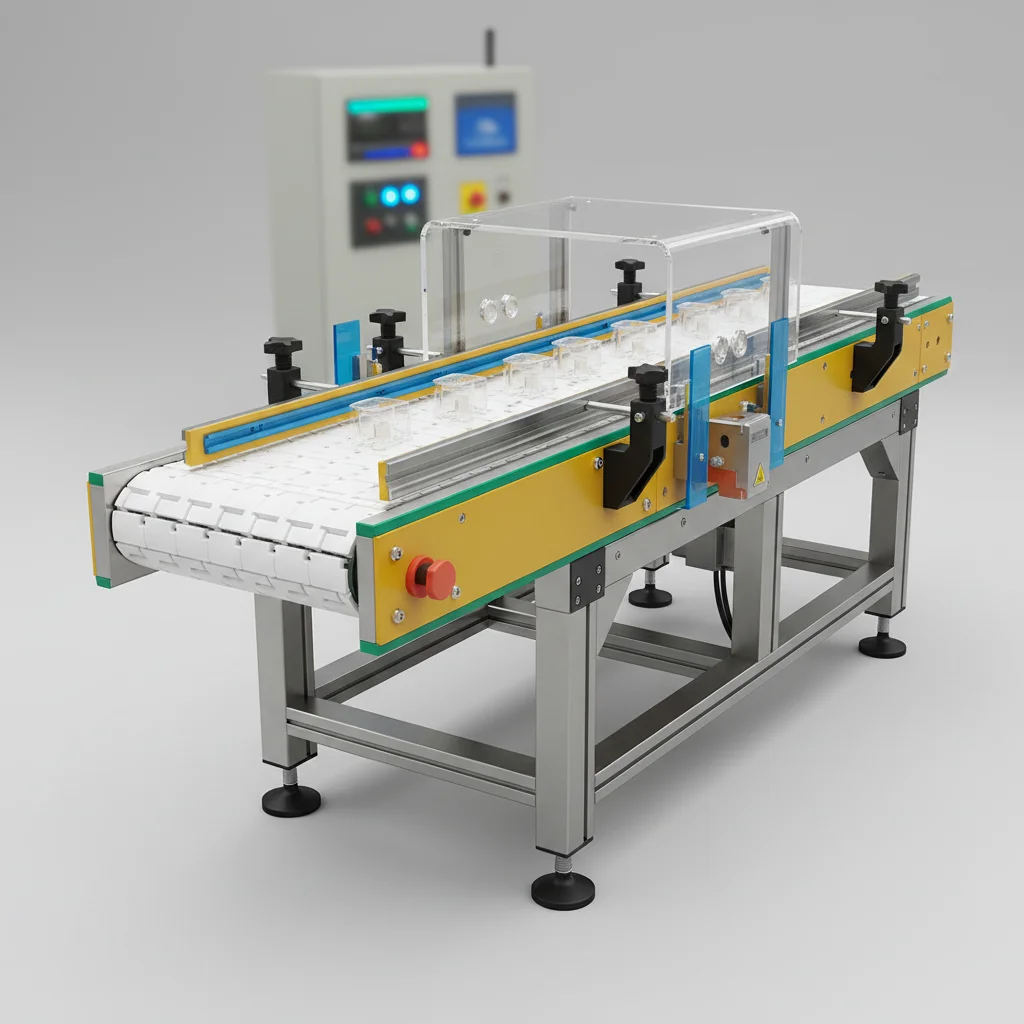
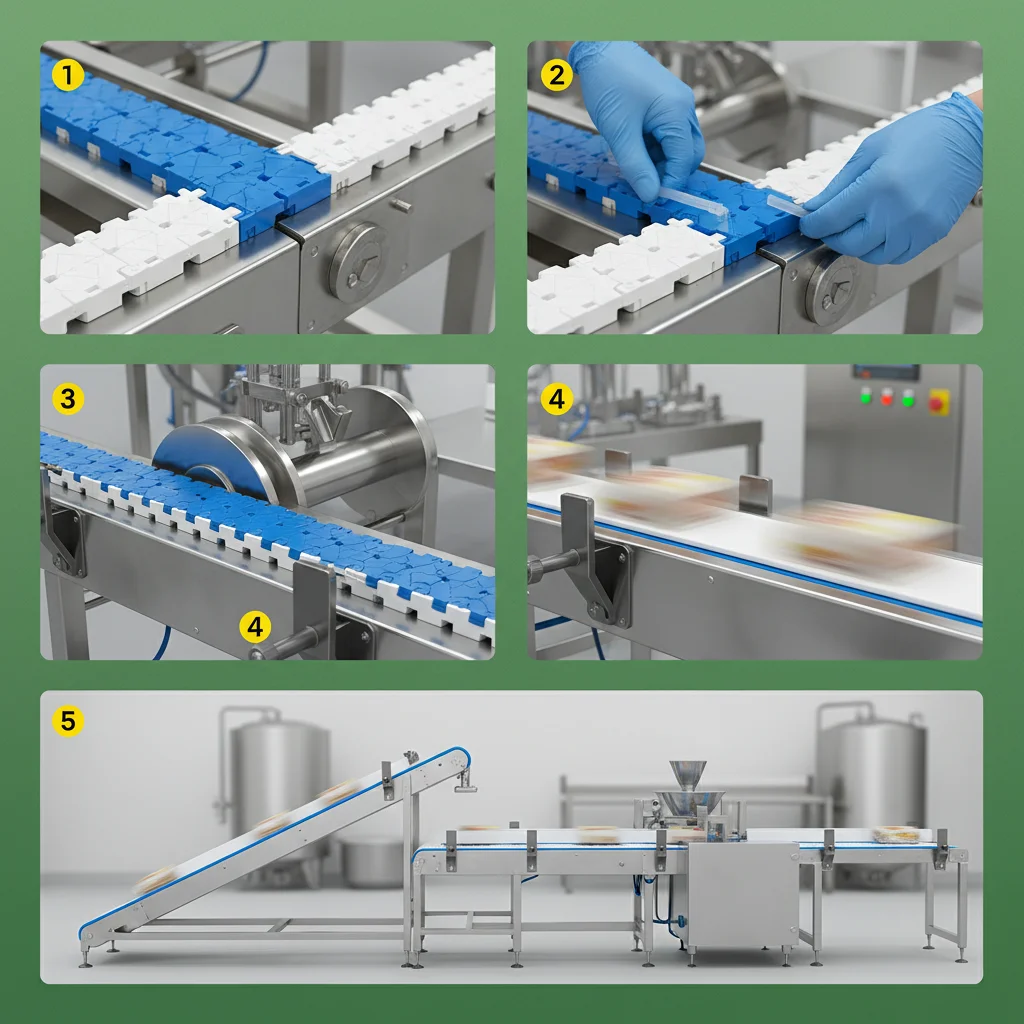
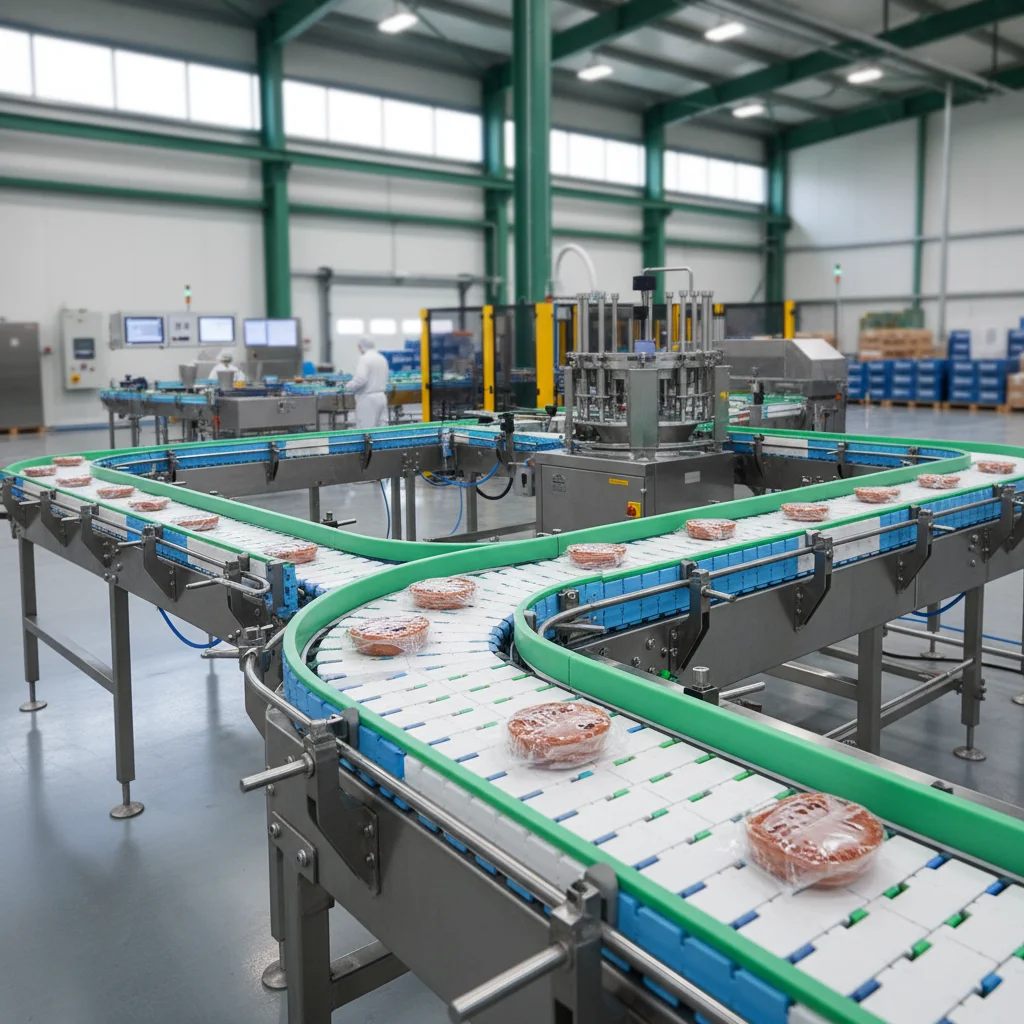
In the fast-paced world of modern logistics and manufacturing, the shift toward modularity has revolutionized how materials are transported. A modular belt conveyor plastic system offers a versatile alternative to traditional fabric belts, utilizing interlocking plastic modules to create a robust, customizable surface that can handle diverse loads and environmental conditions.
The global demand for high-efficiency material handling is rising, driven by the growth of e-commerce and automated food processing. By integrating a modular belt conveyor plastic solution, companies can significantly reduce downtime, as damaged sections can be replaced individually without the need to replace the entire belt, ensuring a seamless flow of production.
Understanding the technical nuances of these systems—from material selection like Polypropylene (PP) or Acetal (POM) to the mechanical advantages of plastic chains—is essential for any facility looking to optimize its throughput. This guide explores why these systems have become the gold standard for hygiene, durability, and operational flexibility.
The Fundamental Architecture of Modular Belt Conveyor Plastic
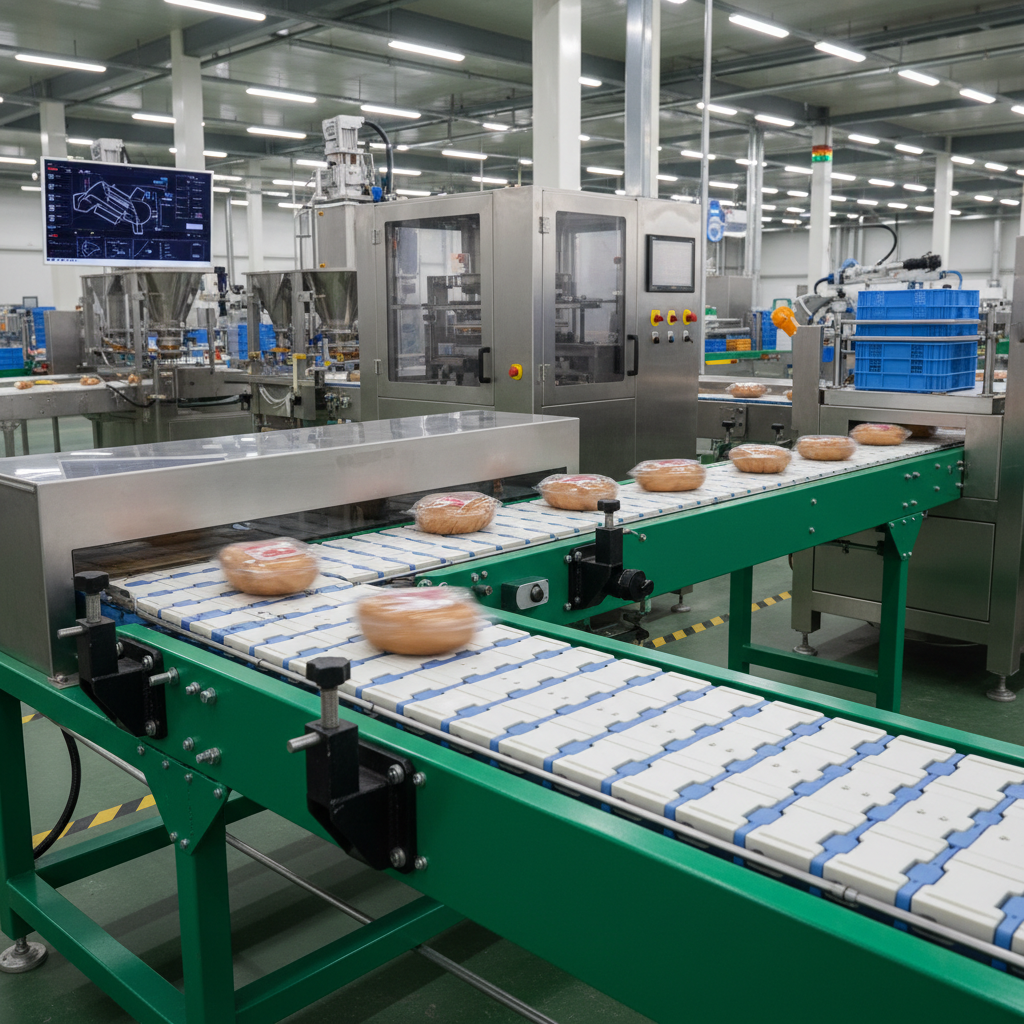
At its core, a modular belt conveyor plastic system consists of a series of small, molded plastic components that snap together to form a continuous loop. Unlike traditional belts that are vulcanized or laced, these modules are designed with precise tolerances to allow for flexibility in various directions, enabling the belt to navigate tight curves and inclines with minimal friction.
The structural integrity of the system relies on the strength of the plastic pins and the interlocking geometry of the modules. This "LEGO-like" assembly not only simplifies the initial installation but allows for rapid on-site modifications, making it an ideal choice for facilities that frequently update their production lines to accommodate new product shapes or sizes.
Material Science and Durability Factors
The performance of a modular belt conveyor plastic system is largely dictated by the polymer used in its construction. Polypropylene (PP) is frequently chosen for its excellent chemical resistance and low cost, making it ideal for basic transport tasks. However, for high-load applications or environments with extreme temperature fluctuations, Polyoxymethylene (POM), also known as Acetal, is preferred due to its superior dimensional stability and wear resistance.
Beyond basic polymers, specialty plastics like Polyethylene (PE) provide the high impact strength and low friction coefficients required for heavy-duty material handling. These materials are often engineered to be food-grade and FDA-compliant, ensuring that the conveyor does not leach chemicals into products, which is a critical requirement in pharmaceutical and food processing sectors.
Environmental resilience is another key factor. Whether facing the caustic cleaning agents used in industrial wash-downs or the freezing temperatures of a blast freezer, the choice of plastic ensures that the belt does not crack, warp, or degrade. This durability minimizes the total cost of ownership by extending the lifecycle of the conveyor components.
Operational Versatility and Customization
One of the most compelling reasons to implement a modular belt conveyor plastic system is the sheer range of customization available. From open-grid designs that allow for drainage and airflow to solid-top surfaces for small parts, the belt can be tailored to the specific physical properties of the payload.
Furthermore, these systems can integrate specialized attachments such as cleats, flights, or side-guards. A modular belt conveyor plastic setup can be converted from a flat transport line to an incline elevator simply by adding flight bars to the existing modules, providing a level of adaptability that traditional belts cannot match.
This versatility extends to the belt's tracking capabilities. Because the plastic modules are constrained by guide rails, the belt remains centered even when carrying uneven loads. This eliminates the constant need for manual tracking adjustments, reducing labor costs and preventing the edge-fraying commonly seen in fabric belts.
Efficiency Benchmarks and Performance Analysis
When evaluating the efficiency of a modular belt conveyor plastic system, we look at key metrics such as downtime reduction, energy consumption, and throughput speed. Because the belts are composed of discrete units, a single broken module can be replaced in minutes, whereas a traditional belt failure might require hours of splicing and curing.
The low coefficient of friction inherent in high-quality plastic polymers reduces the torque required from the drive motor. This leads to a measurable decrease in energy consumption over thousands of hours of operation, contributing to both a lower carbon footprint and reduced utility costs for the manufacturer.
Performance Metrics of Modular Belt Conveyor Plastic Systems
Global Industrial Applications and Use Cases
Around the globe, the modular belt conveyor plastic system is utilized in diverse environments. In the food and beverage industry, particularly in North America and Europe, these belts are essential for transporting everything from raw poultry to packaged baked goods. Their ability to withstand high-pressure spray cleaning makes them the primary choice for maintaining strict HACCP hygiene standards.
Beyond food, these systems are widely deployed in automotive assembly lines in Asia and pharmaceutical packaging plants worldwide. In remote industrial zones or post-disaster reconstruction sites where specialized tools are scarce, the ease of assembling these plastic belts allows for the rapid deployment of temporary material handling lines to move debris or construction supplies efficiently.
Long-term Maintenance and Cost-Value Ratio
The long-term value of investing in a modular belt conveyor plastic system is realized through the elimination of catastrophic failures. Traditional belts often suffer from longitudinal tears that render the entire belt useless. In contrast, a modular system experiences localized wear; replacing a few worn-out modules costs a fraction of a full belt replacement.
Moreover, the reduction in specialized maintenance labor is significant. Most modular belts can be serviced by general facility staff using basic hand tools. This democratizes the maintenance process and ensures that production resumes as quickly as possible after a component failure.
When calculating the ROI, the initial capital expenditure may be slightly higher than fabric alternatives, but the combination of lower energy costs, reduced downtime, and extended lifespan creates a much more favorable total cost of ownership over a 5-to-10-year horizon.
Future Innovations in Plastic Conveyor Technology
The future of the modular belt conveyor plastic industry is leaning heavily toward "Smart Conveying." We are seeing the integration of embedded sensors within the plastic modules that can detect tension changes or temperature spikes, alerting operators to potential failures before they occur. This shift toward predictive maintenance is a cornerstone of the Industry 4.0 digital transformation.
Sustainability is also driving material innovation. Researchers are developing bio-based polymers and recycled plastic composites that maintain the structural strength of POM while reducing the reliance on petroleum-based feedstocks. These "green" belts will allow manufacturers to meet stringent ESG (Environmental, Social, and Governance) goals without sacrificing performance.
Additionally, the convergence of modular belts with robotic sorting arms is creating hybrid systems that can dynamically change the belt speed and direction based on AI-driven visual recognition of the products on the line, maximizing throughput in complex distribution centers.
Comparative Analysis of Modular Belt Plastic Material Properties
| Material Type |
Wear Resistance |
Chemical Stability |
Thermal Range |
| Polypropylene (PP) |
Moderate |
High |
Low to Medium |
| Acetal (POM) |
Very High |
Moderate |
Medium to High |
| Polyethylene (PE) |
High |
High |
Very Low (Freezer) |
| Specialty TPU |
Excellent |
Moderate |
Medium |
| Reinforced Nylon |
High |
Low |
High |
| Bio-Polymer |
Moderate |
Moderate |
Low |
FAQS
The primary advantage lies in maintenance and versatility. While a fabric belt must be replaced entirely if it rips, a modular plastic belt allows you to replace individual damaged modules in minutes. Additionally, modular belts offer superior tracking stability and can be customized with cleats or flights for inclines, which is nearly impossible with standard fabric belts.
Polypropylene (PP) and Polyethylene (PE) are common choices for food-grade applications due to their non-toxic nature and resistance to cleaning chemicals. For higher wear and temperature stability, Acetal (POM) is often used, provided it meets the specific FDA or EU food contact regulations for the particular product being transported.
Lifespan varies based on load and environment, but generally, these systems last significantly longer than fabric belts because of their modular nature. With routine inspection and the replacement of high-wear modules (like those at the sprocket interface), the overall conveyor structure can remain operational for a decade or more.
Yes, by selecting the correct polymer. Polyethylene (PE) is specifically engineered for sub-zero environments, such as blast freezers, where other plastics would become brittle. Conversely, reinforced polymers can handle higher temperatures in oven or curing applications, though specific heat-stabilized materials must be specified during the design phase.
On the contrary, they are much simpler to install. Because they consist of interlocking parts, they can be assembled on-site without the need for expensive vulcanizing equipment or specialized splicing tools. This "snap-together" design makes them highly attractive for rapid facility setups and modifications.
Modular belts are inherently more stable than fabric belts. They are kept in place by wear strips and guide rails that physically constrain the belt's movement. To prevent drifting, ensure that the guide rails are properly aligned and that the wear strips are replaced once they become too thin to provide adequate support.
Conclusion
The adoption of a modular belt conveyor plastic system represents a strategic shift toward operational resilience and efficiency. By combining the strengths of advanced polymer science with a flexible, modular design, industries can overcome the limitations of traditional conveying, reducing downtime and enhancing hygiene standards across the board.
As we look toward a future of automated, sustainable manufacturing, the role of these adaptive systems will only grow. We recommend that facility managers conduct a thorough audit of their current material handling bottlenecks to determine where a transition to modular plastic components could yield the highest ROI in terms of labor savings and system longevity. Visit our website for more information: www.rellwin.com