
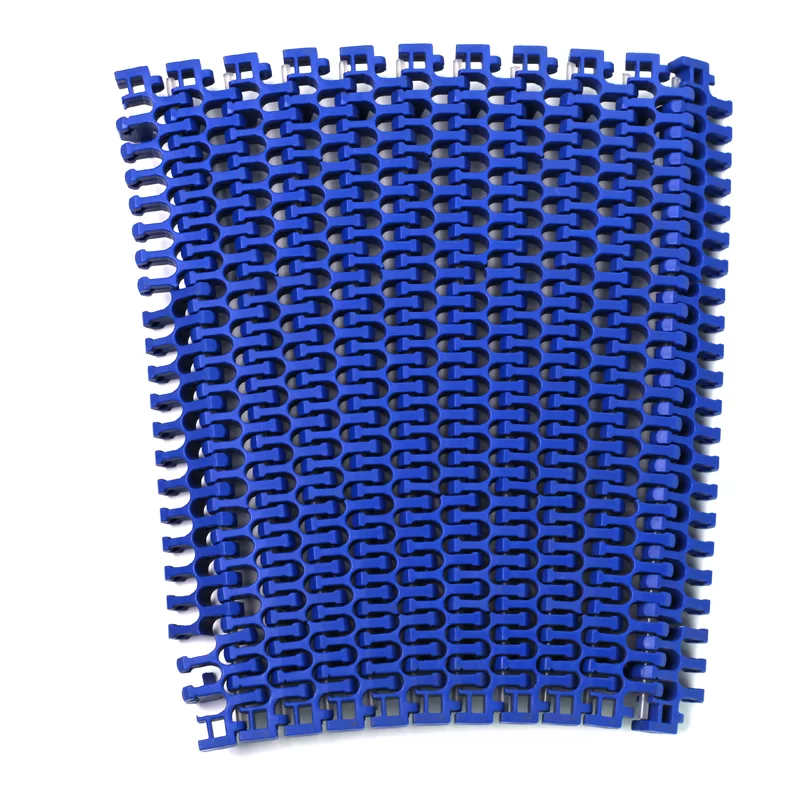
Modular Belt Conveyor Plastic Modular Conveyor Belt Modular Belt

Advanced modular conveyor belt Solutions for Philippines Manufacturing

High-performance continuous handling systems engineered for tropical climates and heavy-duty industrial applications across the Philippine archipelago.

Advanced modular conveyor belt Solutions for Philippines Manufacturing

Optimizing material flow in Philippine factories with precision-engineered modular systems designed for durability, hygiene, and operational efficiency.

Current Landscape of Material Handling in Philippines

Adapting conveyor technology to the unique environmental and economic demands of the region.

The manufacturing sector in the Philippines is currently facing a critical transition. With the rise of PEZA zones, there is an urgent demand for a reliable modular belt conveyor that can withstand high humidity and salt-mist environments typical of coastal industrial hubs like Cavite and Laguna.

Local industries, particularly in food processing and electronics, are moving away from traditional fabric belts. The adoption of a modular belt conveyor plastic has become a priority to eliminate the risk of belt slippage and to reduce downtime caused by the extreme temperature fluctuations of the tropical climate.

Furthermore, the logistical challenges of the Philippine archipelago require equipment that is easy to ship and install. The interlocking nature of the modular belt allows for rapid onsite assembly, significantly lowering the initial infrastructure cost for expanding SMEs in Manila and Cebu.

Evolution of Conveyance Technology in the Region

From basic rubber belts to intelligent modular systems.

Market Development History

From 2000 to 2010, the Philippine market relied heavily on monolithic rubber belts. However, these systems suffered from frequent stretching and snapping under the intense heat of the local climate, leading to inefficient production cycles.

Between 2011 and 2020, there was a shift toward stainless steel and early polymer systems. The introduction of the modular belt conveyor began to gain traction in the beverage and poultry industries due to its superior wash-down capabilities and hygienic properties.

Since 2021, the focus has shifted to "Smart Logistics." Modern factories now integrate sensors and variable frequency drives (VFDs) with their modular conveyor belt systems to achieve real-time throughput monitoring and energy optimization.

Future Development Trends

Eco-Friendly Polymer Materials

Expect a surge in bio-based plastic components for conveyor belts to align with the Philippines' growing "Green Manufacturing" initiatives and global ESG standards.

IoT-Integrated Predictive Maintenance

Future systems will utilize embedded sensors within the belt structure to predict wear and tear, reducing unplanned downtime in critical production lines.

Customized Geometric Configurations

There will be an increased demand for belts that can transition from flat to inclined or curved paths within a single continuous run to save floor space in urban factories.

Industry Trends and Future Outlook

Strategic foresight for the continuous handling equipment sector.

Climate-Resilient Engineering
Developing materials specifically designed to resist UV degradation and high humidity levels in Southeast Asia.
Modular Scalability
Rapid deployment systems that allow factories to expand their lines without replacing entire conveyor structures.
Hygienic Design Standards
Integration of FDA-compliant materials for the growing pharmaceutical and food export sector in the Philippines.
Energy-Efficient Drives
Reducing power consumption through low-friction belt materials and high-efficiency motors.

Industry Outlook

Based on Google search trends for "industrial automation Philippines," there is a significant uptick in demand for flexible material handling. This suggests that the market is moving away from static layouts toward agile, modular systems that can be reconfigured as product lines change.

Over the next 3-5 years, we anticipate a convergence of robotic arm integration with modular belt conveyor systems, creating fully autonomous sorting and packaging hubs in key economic zones like Clark and Subic.

Localized Application Scenarios in the Philippines

Practical implementations of modular conveyance in various regional industries.

01. Tropical Fruit Processing Plants

Using food-grade modular belt conveyor plastic to transport mangoes and pineapples, ensuring high drainage and easy sterilization in high-humidity environments.

02. Semiconductor Assembly in Laguna

Implementing ESD-safe modular belts to transport sensitive electronic components, reducing static discharge and improving precision in clean-room environments.

03. Poultry and Meat Packing Hubs

Deploying heavy-duty modular conveyor belt systems for cold storage transport, resisting extreme temperature shifts from freezer to packing area.

04. E-commerce Fulfillment Centers in Metro Manila

Utilizing high-speed modular sorting belts to handle a massive volume of small parcels, allowing for rapid reconfiguration as shopping peaks occur.

05. Beverage Bottling Plants in Cebu

Integrating curved modular belts to navigate tight factory floor layouts while maintaining a consistent flow of glass and PET bottles.

Brand Story

Global Development Journey of Ningbo Rellwin Conveyor Accessories Co., Ltd.

Founding Vision

Established with the goal of solving the inherent instability of traditional conveyor belts in harsh industrial environments.

Technical Breakthrough

Perfected the interlocking geometry of the modular belt to ensure zero-drift and maximum load-bearing capacity.

Global Expansion

Extended our reach to Southeast Asia, tailoring our plastic conveyor solutions for the unique needs of the Philippine market.

Quality Certification

Achieved international standards in polymer strength and food safety, becoming a trusted partner for Fortune 500 manufacturers.

The Future Path

Committed to developing the next generation of smart, sustainable, and low-friction conveyance systems for a greener industry.

Common Questions Regarding Modular Conveyors in Philippines

Expert answers to the most frequent technical queries from local plant managers.

How does a modular belt conveyor handle the high humidity in the Philippines?

Our belts are made from high-performance polymers that are non-absorbent and corrosion-resistant, preventing the swelling or degradation often seen in fabric belts during the rainy season.

Can a modular belt conveyor plastic system be used for heavy industrial parts?

Yes, by selecting the appropriate reinforced polymer grade and belt thickness, our modular systems can handle significant loads while maintaining structural integrity.

What are the installation advantages of a modular conveyor belt over traditional ones?

Modular belts consist of interlocking pieces, meaning they can be shipped in smaller packages and assembled on-site, eliminating the need for complex splicing or vulcanizing.

How do I maintain a modular belt to ensure a long lifespan in a factory?

Regularly check for sprocket wear and ensure the belt is properly tracked. One of the biggest advantages is that damaged modules can be replaced individually without replacing the entire belt.

Are your modular belts compliant with food safety standards for export?

Absolutely. We offer FDA and EU-compliant materials that are essential for Philippine companies exporting food and beverage products to global markets.

Which modular belt is best for incline transport in small spaces?

We recommend flights-attached modular belts, which create pockets to securely carry items uphill without slippage, ideal for compact urban facilities.

Optimize Your Production Line Today

Contact our technical engineering team for a customized modular conveyor audit for your facility in Philippines.

Contact Us Now

If you are interested in our products, you can choose to leave your information here, and we will be in touch with you shortly.