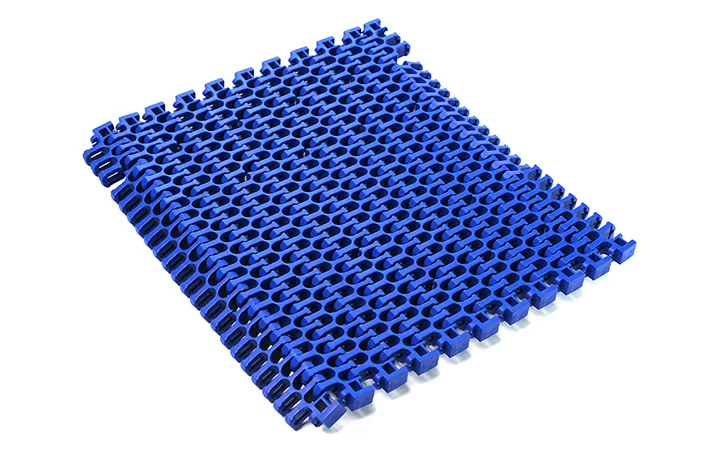
Modular Belt in Bakery Food Conveying Systems
The modular belt conveyor has become an essential solution in modern bakery production lines. With the rapid growth of the baking industry and increasing demand for automation, food manufacturers require reliable, hygienic, and efficient conveying systems. Modular belts, made from high-quality food-grade plastic materials, offer excellent durability, flexibility, and easy maintenance, making them ideal for transporting bakery products throughout the production process.
From dough preparation to baking, cooling, packaging, and final distribution, modular belt conveyors play a critical role in ensuring smooth and efficient product handling. Their hygienic design and strong performance make them particularly suitable for the delicate handling requirements of bakery foods.
Importance of Conveyor Systems in Bakery Production
Bakery production lines operate continuously and require consistent movement of products between different processing stages. Traditional conveyor belts often struggle with issues such as wear, contamination, or limited flexibility. In contrast, plastic modular belts provide a modular structure that allows easy replacement of individual sections, reducing downtime and improving overall production efficiency.
In bakery manufacturing, products such as bread, biscuits, cakes, pastries, and cookies must be transported carefully to avoid deformation or damage. Modular belt conveyors provide a stable and smooth surface that ensures safe product transportation throughout the production line.
Hygienic Design for Food Safety
Food safety is a top priority in bakery processing. Modular belts used in food applications are typically made from food-grade materials such as polypropylene (PP) or polyoxymethylene (POM). These materials meet strict hygiene standards and are resistant to moisture, oils, and cleaning chemicals commonly used in food processing environments.
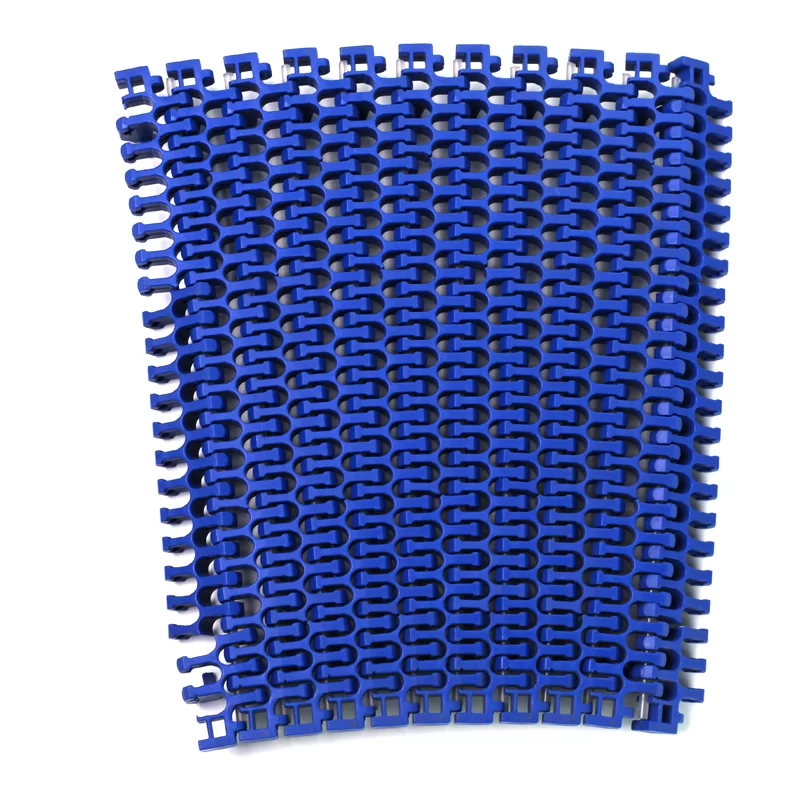
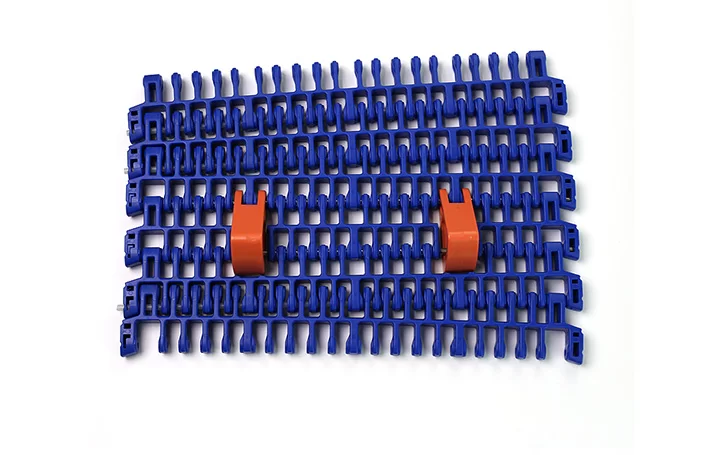
Many modular belts also feature open-grid structures, which allow air circulation and drainage. This design helps prevent the accumulation of crumbs, flour, and other residues, making cleaning easier and more effective. As a result, modular belts help bakery manufacturers maintain high sanitation standards and comply with food safety regulations.
Applications in Different Bakery Processing Stages
Modular belts are used in several stages of bakery production, providing reliable product movement from raw ingredients to finished packaged goods.
Dough Processing and Forming
During the early stages of bakery production, modular belts are used to transport dough pieces between mixing, dividing, and shaping machines. Their stable structure allows precise product positioning and smooth transfer between machines.
The modular design also allows customization of belt surfaces to suit different types of dough products. This flexibility ensures efficient handling of soft and delicate dough without sticking or deformation.
Baking and Oven Conveying
In some bakery systems, modular belts are used to transport products into or out of baking ovens. Certain belt materials are designed to withstand moderate heat and maintain stable performance during baking processes.
These belts help ensure consistent product spacing and smooth transfer between baking equipment and subsequent processing stages.
Cooling and Drying Conveyors
After baking, products such as bread, biscuits, and cakes must be cooled before packaging. Modular belts are widely used in cooling conveyors, where air circulation is necessary to reduce product temperature efficiently.
Open-grid modular belts allow airflow from below and around the product, improving cooling efficiency while preventing moisture accumulation. This helps maintain product quality and texture.
Product Inspection and Sorting
Once bakery products are cooled, they often pass through inspection or sorting systems. Modular belt conveyors provide stable movement for automated inspection systems, ensuring that defective products can be identified and removed efficiently.
Their smooth operation and low vibration levels are especially beneficial for delicate products that could otherwise break or crumble during transportation.
Packaging Lines
In the final stage of bakery production, modular belts transport products to packaging machines, where they are sealed, labeled, and prepared for distribution. The belts ensure consistent product spacing and stable movement, allowing packaging equipment to operate efficiently.
Because modular belts are easy to clean and maintain, they are well suited for packaging environments where hygiene and reliability are essential.
Advantages of Modular Belts in Bakery Applications
There are several reasons why modular belts are widely used in bakery food conveying systems.
First, durability and wear resistance ensure long service life even under continuous operation. Bakery production lines often run for extended hours, and modular belts are designed to withstand these demanding conditions.
Second, the modular design allows easy maintenance. If a section of the belt becomes damaged, it can be replaced quickly without removing the entire conveyor system, minimizing downtime.
Third, modular belts provide excellent product stability. The flat and consistent surface ensures that bakery products move smoothly without tipping, sliding, or breaking.
Fourth, modular belts offer flexibility in conveyor design. They can be used in straight conveyors, curved conveyors, or inclined systems, making them suitable for complex production layouts.
Finally, the hygienic and easy-to-clean structure supports strict food safety standards required in bakery manufacturing.
Improving Efficiency in Bakery Production
Modern bakery factories rely on automation to increase productivity and reduce labor costs. Modular belt conveyor systems integrate easily with automated equipment such as mixers, ovens, cooling tunnels, and packaging machines.
By providing reliable and efficient product transport, modular belts help streamline the entire production process. They also reduce the risk of product damage, improve operational efficiency, and support consistent product quality.
The use of modular belt conveyors in bakery food processing has become increasingly important in modern manufacturing environments. Their hygienic design, durability, and flexibility make them an ideal choice for transporting bakery products safely and efficiently.
From dough handling and baking to cooling, inspection, and packaging, modular belts provide reliable performance at every stage of the production process. As bakery manufacturers continue to invest in automation and efficiency, modular belt conveyor systems will remain a key component in ensuring high productivity and consistent product quality.



-20260310085541.webp "Modular Belt Straight Running")