Modular Belt in the Automotive Manufacturing Industry
In modern automotive manufacturing, efficient material handling and reliable production processes are essential for maintaining productivity and product quality. As automotive factories continue to adopt automation and advanced production technologies, conveyor systems play a critical role in transporting parts, components, and finished products across different stages of the assembly line. Among the various conveying solutions available, modular belt conveyors have become increasingly popular due to their durability, flexibility, and low maintenance requirements.
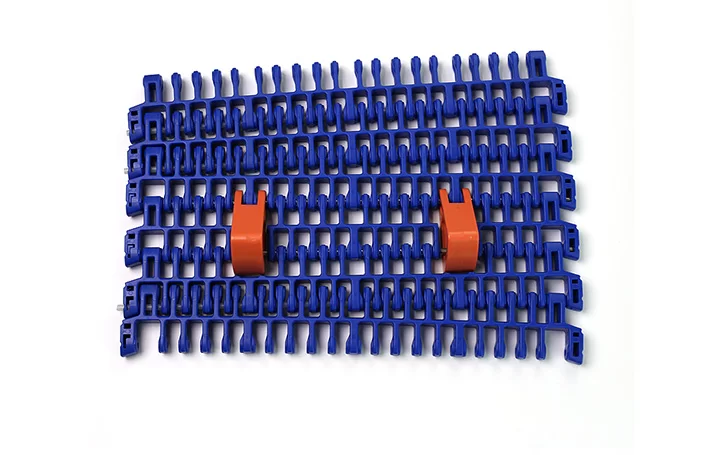
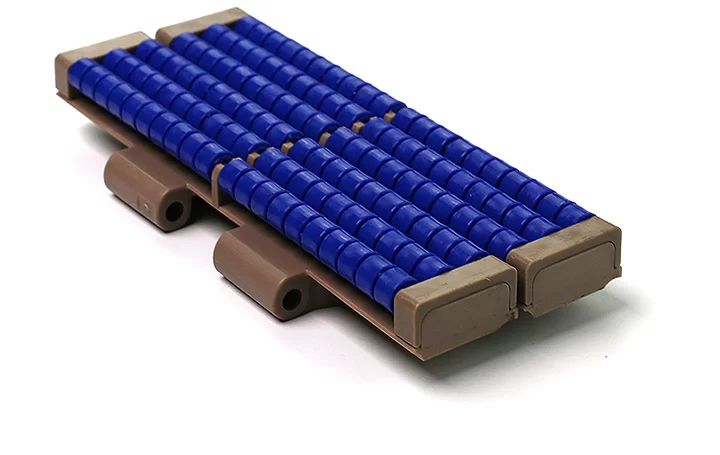
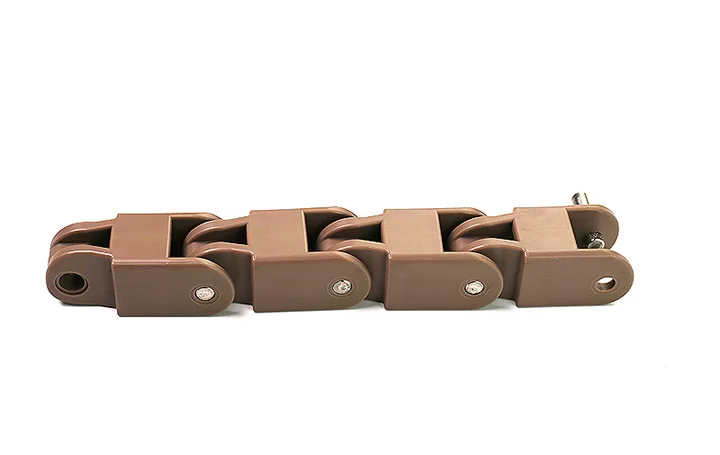
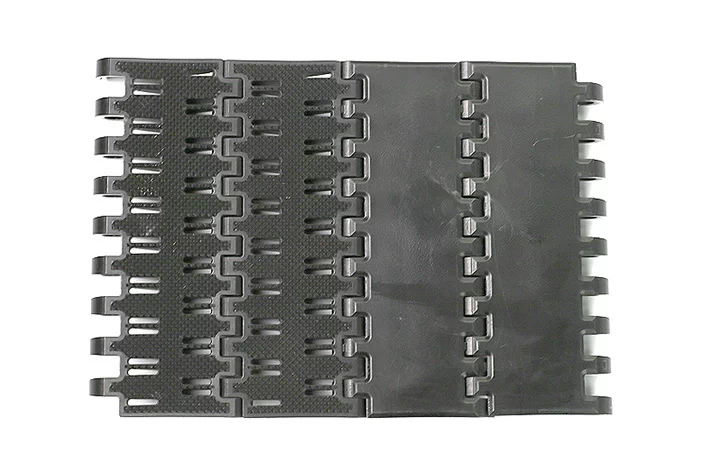
A modular belt is constructed from interlocking plastic modules connected with hinge rods, forming a strong and flexible conveyor surface. Compared with traditional rubber belts or metal chains, modular belts offer superior resistance to wear, corrosion, and impact. These characteristics make them ideal for the demanding environments of automotive production facilities.
Importance of Conveyors in Automotive Manufacturing
Automotive manufacturing involves complex processes that require the continuous movement of components between different workstations. These processes include parts fabrication, assembly, inspection, painting, and final vehicle assembly. Efficient conveying systems help ensure smooth material flow, reduce manual handling, and increase overall production efficiency.
Modular belt conveyors are widely used in automotive plants because they can handle various types of components, ranging from small precision parts to larger assemblies. Their stable structure and reliable operation help maintain consistent production speeds and reduce the risk of product damage.
Applications in Automotive Parts Assembly
One of the primary uses of modular belts in the automotive industry is in parts assembly lines. Automotive components such as engine parts, transmission components, electronic modules, and plastic interior parts must be transported between different assembly stations.
Modular belts provide a flat and stable conveying surface, ensuring that parts remain securely positioned during transportation. This stability is especially important when parts must be precisely aligned for robotic assembly or automated processing.
In addition, modular belts can be customized with fixtures, carriers, or positioning accessories that help hold components in place as they move along the conveyor system.
Component Manufacturing and Processing
Automotive parts manufacturing often involves multiple processes such as machining, stamping, welding, and surface treatment. Modular belt conveyors are frequently used to transport components between these processing stages.
Because modular belts are made from durable engineering plastics such as polyoxymethylene (POM) or reinforced polypropylene, they offer excellent resistance to oils, lubricants, and chemicals commonly found in manufacturing environments.
Their strong structure also allows them to support moderate loads while maintaining smooth operation. This makes them suitable for transporting metal parts, molded plastic components, and other automotive materials.
Automated Production Lines
Automation has become a key feature of modern automotive manufacturing. Robotic systems, automated inspection equipment, and intelligent production control systems rely on consistent and reliable product flow.
Modular belt conveyors integrate easily with automated systems and robotic workstations. Their stable movement ensures accurate positioning of components, which is essential for automated assembly and quality inspection processes.
For example, modular belts are commonly used to move components through robotic welding stations, automated fastening systems, and electronic testing equipment.
Parts Washing and Drying Systems
Automotive components often require cleaning to remove oil, metal shavings, and other contaminants before assembly or packaging. Modular belts with open-grid designs are widely used in washing and drying systems for automotive parts.
The open structure allows water and cleaning solutions to flow through the belt surface, ensuring efficient washing and drainage. After washing, the same conveyor system can transport parts through drying stations where airflow removes remaining moisture.
This design improves cleaning efficiency while preventing the accumulation of debris on the conveyor surface.
Inspection and Quality Control
Quality control is an essential part of automotive manufacturing. Components must be inspected carefully to ensure they meet strict industry standards. Modular belt conveyors provide a stable platform for automated inspection systems, including vision cameras, sensors, and measurement equipment.
The smooth and consistent movement of modular belts helps ensure accurate inspection results. Defective parts can be automatically detected and removed from the production line without interrupting the manufacturing process.
Transport of Finished Components
In addition to assembly and processing applications, modular belts are also used to transport finished automotive components within the factory. These components may include dashboards, seats, electronic modules, and other interior parts.
The modular belt’s strong and durable design ensures safe transportation of these components while minimizing the risk of damage. Its low-noise operation also helps create a more comfortable working environment in production facilities.
Advantages of Modular Belts in Automotive Applications
There are several reasons why modular belts are widely used in automotive manufacturing conveyor systems.
High durability: Modular belts are designed to withstand heavy use and harsh industrial environments.
Low maintenance: Individual modules can be replaced easily, reducing downtime and maintenance costs.
Chemical resistance: Engineering plastic materials resist oils, lubricants, and cleaning chemicals.
Flexible system design: Modular belts can be used in straight, curved, and inclined conveyors to fit complex production layouts.
Stable product transport: The flat surface and strong structure ensure secure movement of components throughout the production process.
Supporting Lean Manufacturing and Efficiency
Automotive manufacturers are constantly working to improve efficiency through lean manufacturing practices. Reliable conveyor systems help reduce material handling delays, improve workflow, and maintain consistent production speeds.
Modular belt conveyors contribute to these goals by providing dependable performance and easy adaptability to changing production requirements. Their modular design also allows production lines to be modified or expanded when new products or processes are introduced.
The modular belt conveyor has become an important solution in the automotive manufacturing industry. Its durability, flexibility, and compatibility with automated systems make it ideal for transporting components throughout the production process.
From parts assembly and machining operations to washing, inspection, and final component transport, modular belts provide reliable and efficient material handling. As automotive factories continue to adopt advanced manufacturing technologies, modular belt conveyor systems will remain a key element in improving productivity, maintaining product quality, and supporting modern industrial automation.



-20260310073513.webp "Modular Belt 1-Inch Pitch")
-20260311011235.webp "Plastic Conveyor Chain 0.5 Inch Pitch")